
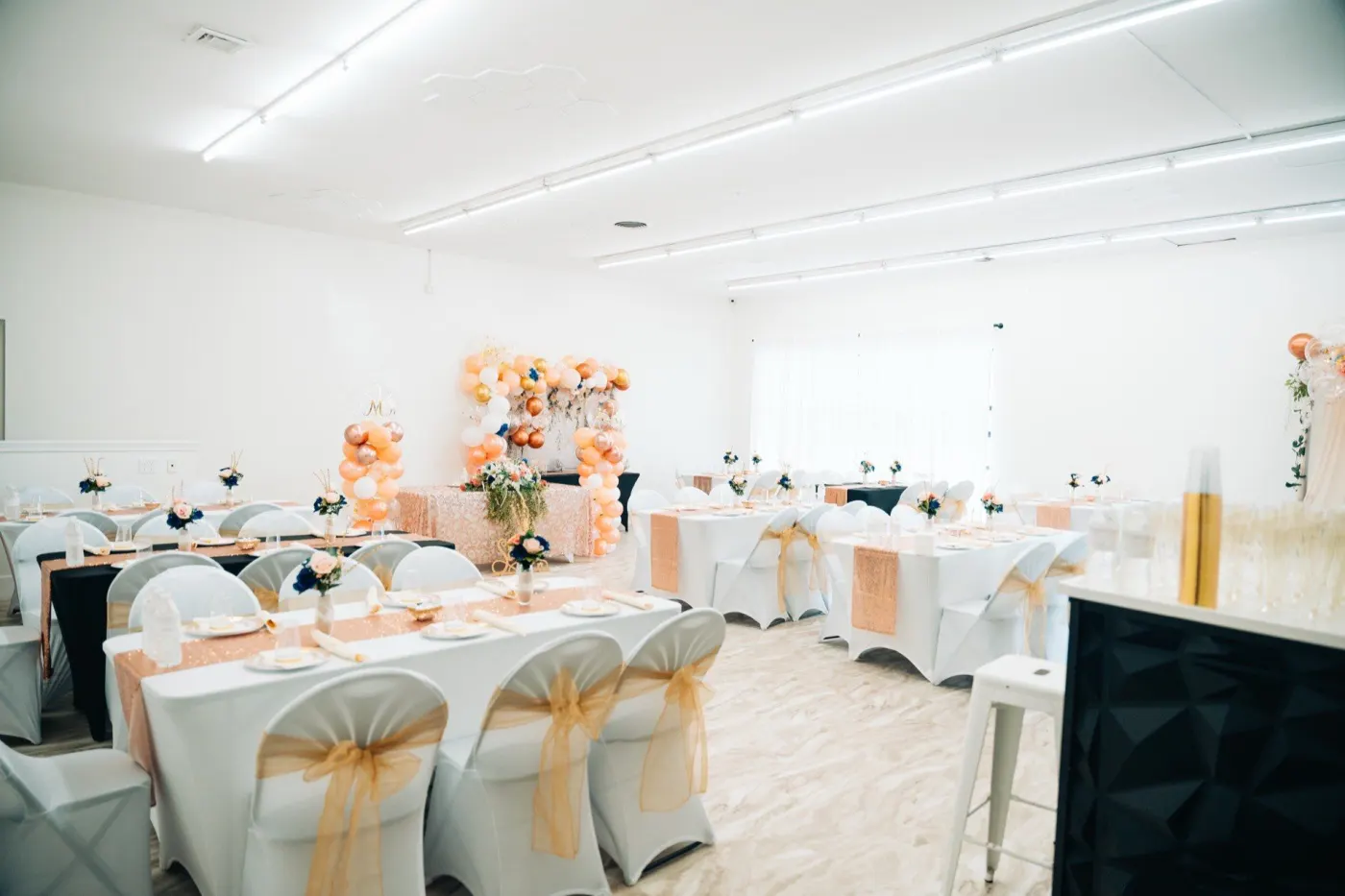

Event Venues
Are Event Spaces Profitable?
A former venue owner runs the honest math on what event spaces really earn.
Are wedding venues profitable? The ones that make it past their first couple of years usually are, and the profit sits in one place: the gap between what a single date earns and what the room costs you every month whether it sells or not. I ran an event space in Baltimore for three and a half years and hosted weddings in it, and my gap was $4,200 of overhead against an $800 average booking, which is a much smaller version of the same arithmetic a dedicated wedding venue runs.
A wedding venue can be a very profitable business, and it earns the best single ticket of any room you can rent by the day. The venue is one of the largest lines in a wedding budget, so one Saturday is worth what a birthday party pays you across a whole month.
The warning is about whose books you're reading. Studio 87 was a 50-guest multi-use space, not a dedicated wedding venue. Weddings happened there, plenty of them across three and a half years, but the same room also ran birthdays, baby showers, corporate trainings and monthly networking meetups. My Saturday rate is roughly a thirty-fourth of the $29,000 Tripleseat cites as the average 2023 spend on a wedding venue. So I won't hand you my figures and call them wedding economics. What transfers is the arithmetic I put them through, and I'll show you every step of it.
If your room isn't wedding-specific, the question you want is are event spaces profitable, where I ran the general version of this math. This one stays on the wedding side.
Profitability comes down to a break-even count that clears on a realistic calendar. Overhead outrunning demand is what closes venues, not an ugly room.
Two of the nine guides I read land near a 20% profit margin. The one everybody repeats is Tripleseat's $100,000 to $20,000 illustration, and an illustration is not a set of books.
My overhead ran $4,200 a month, six dates covered it, and ten was the point where the work started paying me back. Copy the count, not the pricing.
A 50-guest room can't take a 150-guest wedding at any price. That ceiling decides which couples can consider you, long before your rate card does.
Margin hides in the hours and the add-ons, not in the venue rental fee itself.
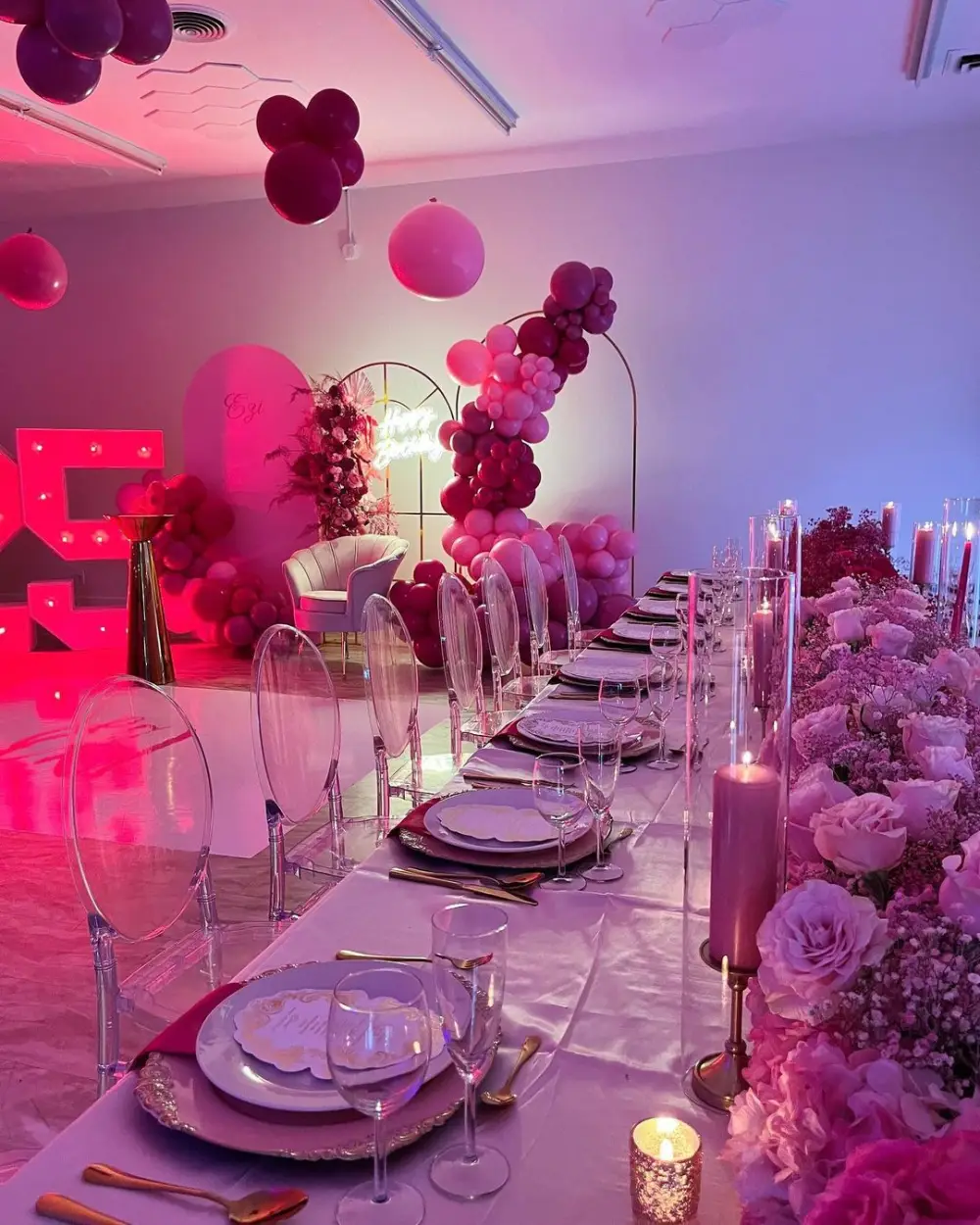
I priced the space in three tiers, and what you got never changed between them. Every rental included the same tables, chairs, sound, linens, setup and parking. Hours were the only thing that moved, which is the simplest lever a venue has.
| Tier | Total rental time | Saturday rate |
|---|---|---|
| Simple | 4 hours | $650 |
| Elaborate | 6 hours | $850 |
| Grand | 8 hours, plus the photo booth | $1,000 |
The tiers are there to help you price your own, not to copy. Saturday was the anchor. Monday through Thursday ran $200 less, Friday and Sunday $100 less, and every extra hour was a flat $100. Most clients took Elaborate or Grand, which is anchoring doing its job. Later on, the five-hour Saturday base sat at $750, and that increase came from selling time instead of adding anything to the room.
Rent, utilities, insurance and software came to $4,200 a month. That number didn't care whether the calendar was full or empty.
| The line item | My 50-guest space, Baltimore |
|---|---|
| Monthly fixed costs (rent, utilities, insurance, software) | $4,200 |
| Average booking value, year one | $800 |
| Break-even point | 6 dates a month |
| Where the money felt real | 10+ dates a month |
| First-year revenue | $100K+ |
| Total events, 3.5 years | 380+ |
Six dates at $800 is $4,800. That clears $4,200 and leaves enough for the cleaning and the staff on those nights, which are variable costs and only show up when an event does. Ten dates at the same average is $8,000, and because the rent was already covered at six, most of that extra $3,200 dropped through.
A wedding venue runs those same two lines at a different scale, with a much bigger average booking against much heavier overhead.

An $850 Saturday is nowhere near a dedicated wedding venue rate, and I'd rather say that myself than let you find it out after you've built a plan on top of it.
Five things diverge between what I ran and a dedicated wedding venue, and each one changes the wedding venue business model and not only the price tag. Every figure here that isn't mine carries the name of whoever published it and a link to it.
| What diverges | My 50-guest multi-use room | A dedicated wedding venue |
|---|---|---|
| Booking value | $650 to $1,000 on a Saturday, plus hours and add-ons. Small ticket, high volume. | Tripleseat cites $29,000 as the average 2023 spend on a wedding venue. Large ticket, low volume, and a deposit schedule to match. |
| Dates per year | Around nine a month across three and a half years, mixed social, corporate and recurring. | fullybookedvenue.com puts a small rural venue's owner earnings at $40,000 to $60,000 a year. That's earnings and not a date count, so working backwards from it would be a guess. |
| Sales cycle | Most closed in days or weeks. Nobody shops for a baby shower a year out. | Far longer than anything I booked at my space. I have no wedding sales cycle of my own to publish, so take this row as direction and not a figure. |
| Service hours per dollar | Setup, a night of staff, a cleaner two hours after. That was the job. | Walkthroughs, planner coordination, rehearsal, timeline management. White-glove service end to end, and the labor line moves with it. |
| Capacity ceiling | 50 guests, which is the whole reason my pricing looked the way it did. | Built around guest count first. Capacity sets the rate card, and the rate card sets the business. |
Three things set it, and only one of them is the room itself. Location decides how far couples will drive and what they'll pay once they arrive, which is why an identical room earns different money in two spots twenty minutes apart. Capacity is the second, because guest count rules a couple in or out before they've looked at your price. The third is market demand, meaning how many Saturdays in your calendar anyone is competing for, and the venue business model that comes out of those three can look nothing like mine.
Location is the one everybody names, and what it really stands for is drive time, parking, and the photos couples want the second they walk in. Parties that wanted 75 or 100 people couldn't sit in my room at any price, and the venues that could take them charged past my top rate without trying. That ceiling decided which market I was in before I ever picked a number.
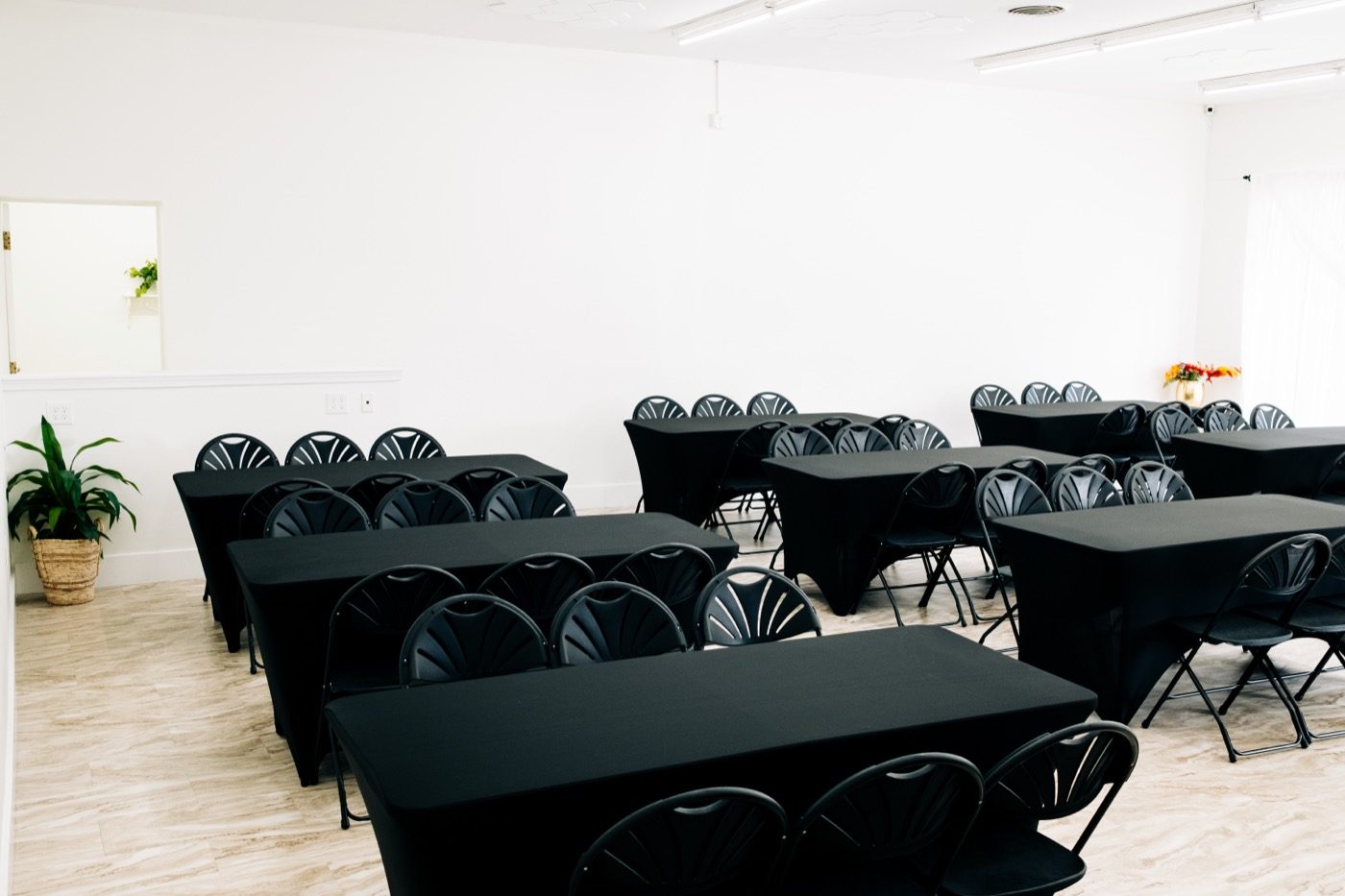
Start with the number that never moves, which is your overhead. There's no universal answer to how many weddings you need, but there is a method, it takes about five minutes, and the count it produces belongs on page one of your wedding venue business plan. Run it before you sign a lease.
Fewer, larger sales sound easier, and in one way they are, because a venue with heavy overhead and a high average might only need one or two dates a month to stand still. The catch is that one cancellation then takes out a much bigger share of the month, and a thin calendar has nowhere to absorb it. My small tickets spread that risk around, which was the one advantage a 50-guest room had over the venues charging five times my rate.
Owner income is what survives overhead, debt service and whatever the building demands back. That's why published salary figures for wedding venue owners are close to useless: two rooms with identical revenue can pay their owners wildly different amounts depending on how much is committed before the month starts. A wedding venue owner is paid out of what's left, which is why the break-even count matters more to your income than the revenue line does.
Kristin Binford, who owns Haue Valley, writes that many new venue owners work for free early and that some go on to make a great income. That matched what I heard in a private group of venue owners I paid to join, and it matched my own first year. So is a wedding venue profitable? Past your break-even count it can be, and in the wedding venue business that's a long term answer more than a first year one.
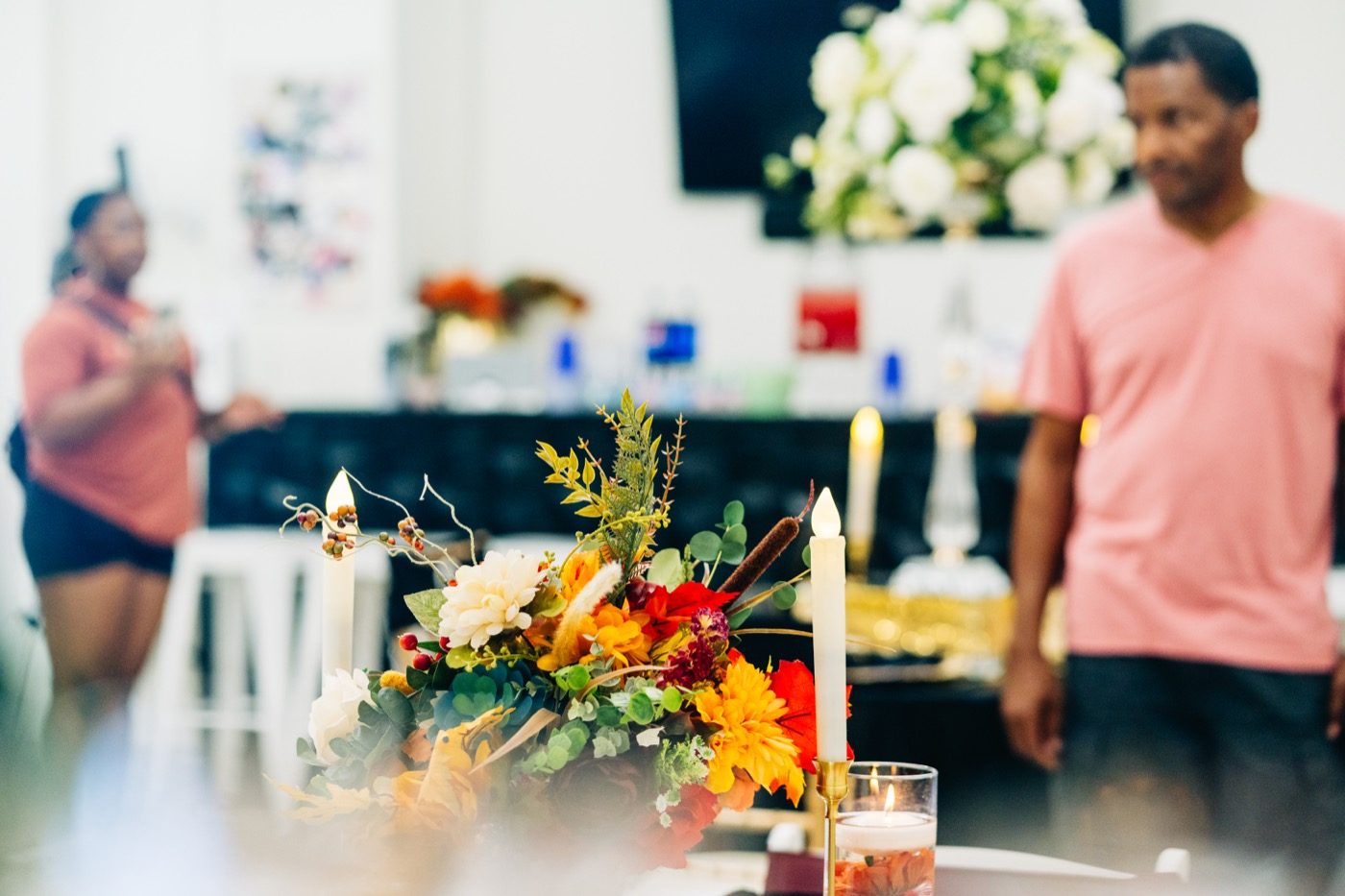
The venue rental fee wins the sale, and it's rarely where the money ends up.
My entire upsell menu was two items and an hourly rate, and I kept it that short on purpose so every quote stayed simple enough to say yes to on the phone.
Those additional services grew revenue per date by roughly a third at almost no added cost, which I could see in the reports I pulled every month out of my HoneyBook CRM. Two items, a flat hourly rate and a vendor list did that without another hire or another square foot.
More revenue per event without hiring anybody is what venue owners ask me about most, and this is the cheapest lever there is. Selling hours and add-ons does more for your profit margins than chasing one more Saturday does.
That $2,000 course I bought early on wasn't worth the money, but the private group of venue owners that came with it was, because it showed me where most of them earned: decor packages layered on top of the room instead of the room by itself. One of the wedding venues we work with runs that model now, so if all-inclusive packages are on your list, that's the version of them I've watched work.
Wedding dates own your Saturdays. Something has to own the rest of the week, or you're paying rent on an empty building five days out of seven.
Recurring dates were the best money in my building: corporate retreats, workshops, classes, monthly networking and community meetups. Photoshoots and small events belong on that list too, and they cost almost nothing to win because they repeat. One good relationship could put twelve dates on my calendar in a year, on weekdays that would otherwise sit dark, and I never spent a dollar of marketing to keep it.
Layering those revenue streams is the difference between a room that survives a slow spring and one that doesn't. It's also the cheapest help a new owner gets, because word of mouth referrals from a weekday client cost nothing and arrive already warm.

A venue can be profitable across twelve months and still miss rent in February. Wedding money arrives as deposits months before the date and as final payments weeks before it, so the cash flow and the revenue almost never land in the same month. Venues that look fine on paper close in exactly that gap.
The cash flow habit that kept my own account healthy was dull and it worked. Every January I projected fourth-quarter cash, parked a slice of every October deposit against the slow months, and held a 15 to 20% cushion on top of that for surprises. A thin January never turned into a crisis because of it.
When engaged couples start looking, and how a venue makes sure it's there when they do, is the timing question, and I keep that one on our page for venues that want to be found by couples. The wedding industry's calendar and your landlord's have nothing to do with each other, so market demand arrives in bursts while rent arrives on the first of every month.

Getting the room ready cost me about $30,000. A $20,000 personal loan covered most of it and a credit card covered the rest, and a pre-opening sale closed around $20,000 in the two months before the doors opened, which is the only reason year one wasn't terrifying.
That's a 50-guest room in Baltimore, so treat it as one data point and not a benchmark for a new wedding venue. Binford says a ground-up new build, nothing fancy, usually starts at $400,000 to $500,000 and up, that many venues land at $750,000 to $1M, and that more than you would think run $1M to $3M. I can't verify her figures, and I can tell you they're a different universe from mine.
What does transfer is the category list, because every room pays these regardless of scale: build-out, furniture, tables and chairs, sound, liability insurance, occupancy permits, and whatever your county requires around alcohol and catering. Before you start a wedding venue, get real quotes on each of those start-up costs. One contractor quote will help you more than any range on the internet, mine included.
If you're going to start a wedding venue business, write the numbers down properly. I walked through the event space business plan section by section, and the same structure carries straight into a wedding venue business plan. Marketing is the line most new operators under-fund, so read how I think about a what a venue should put behind marketing before you put a number for it into your wedding venue business plan.
Every upside in the wedding venue business has a price attached, and it's usually paid on a night everyone else is celebrating. The wedding venue owners who last are the ones whose pricing covers what the work costs them, and who know what couples want from a room before they set it.
| The upside | What it takes from you |
|---|---|
| The biggest single ticket in rentals. One Saturday can be worth a month of anything else. | The longest sales cycle and the highest expectations. There's no such thing as an acceptable bad night at a wedding. |
| Past break-even, most of each rental fee is margin, because the rent is already paid. | Below break-even it inverts just as fast, and overhead doesn't negotiate. |
| You sell the same square footage over and over without restocking a thing. | Demand is lumpy and weekend-shaped. Most of your calendar is legally rentable and practically dead. |
| Reviews compound in the long term. A satisfied couple is a referral you didn't pay to acquire. | Liability follows alcohol and dance floors, and insurance is a permanent line, not a one-time purchase. |
| A room with a clear niche and a convenient location can own its local market for years. | A saturated market punishes anyone with no niche, and burnout is real when you work every night other people celebrate. |
The wedding venue business model is boring on purpose: control your fixed costs, sell past break-even, and protect your profit margins with add-ons and repeat clients.

Willis Aybar
Ran Studio 87, Baltimore
2021 to 2024
Founder, Another Monday
I'm Willis Aybar. I ran Studio 87 in Baltimore from 2021 to 2024: $100K of revenue the first year, 380+ events and 250+ five-star reviews across Google, Peerspace and Eventective by the time I closed the doors. One room, and every job in it was mine: customer service, vendor calls, the facility, the books, and the marketing I had to teach myself because nobody else was going to.
I don't own a room anymore. These days I run Another Monday, a Baltimore marketing agency, and wedding venue owners are the clients I most enjoy working with, probably because I know exactly what their Saturday looks like. Two event venues are on the roster, including one that hosts weddings, showers and small corporate gatherings and gets its inquiries from organic search alone. Between April and July 2026, 1 in 14 visitors to the site we made for that venue became a lead: 254 calls, forms and tour requests from 3,456 visits, with no ad spend behind any of it.
That's a marketing number and not a profitability one. It tells you nothing about their margins, and quite a lot about what changes when a room is easy to find. You can see the rest of the local businesses we work with and read the receipts in our case studies.
The venue work splits two ways. There's the paid route, which I broke down in my guide to event venue advertising, and the organic route, which is most of what we do when the job is filling a wedding calendar month after month.
If the calendar isn't filling the way the room deserves, that's usually a visibility problem, and it's the one I fix for a living. Grab 30 minutes with Willis, or call or text 410-999-0169, and we'll look at what's reaching couples in your market and what isn't.
These come from real conversations with wedding venue owners and with people about to sign a lease.
Wedding venues are profitable once bookings clear the overhead with room to spare. The room is one of the largest lines in a wedding budget, so the ticket per event is the best in rentals, and the catch is that rent and insurance arrive twelve months a year while demand concentrates on Saturdays in a handful of months. This is a fixed-cost business, so profitability lives in that gap and has very little to do with how beautiful the room is.
Annual revenue is events times average booking value, and the honest answer is that the range is enormous. The published figures I found are owner earnings and not revenue, and I can't verify any of them, so I'll give you mine instead. My 50-guest multi-use space in Baltimore passed $100K of revenue its first year on a $650 to $1,000 rate card. A dedicated venue charges a multiple of that per date and hosts far fewer, so the shape of the year looks nothing alike.
A typical wedding venue profit margin gets quoted near 20%, which is where two of the nine guides I read landed, and neither of them published a venue's books behind the number. Treat 20% as a wedding industry rumor. Your real profit margins come from two things you control: how much of your revenue is committed before the month starts, and how many dates you land past break-even.
A wedding venue owner makes whatever survives overhead, debt service and the reinvestment the building demands, so published salary figures for this business are worth very little. Two venues with identical revenue can pay their owners wildly different amounts. At my space I stopped watching salary and started watching the count: six dates a month covered my $4,200 of overhead, and my income came out of everything past that.
Divide your monthly overhead by your average booking value and round up, and that's your break-even. Mine was $4,200 over an $800 average booking value, which is 5.25, so I planned around six and marketed my way past ten. A venue with heavier overhead and a much higher average may only need one or two dates a month to stand still, and that sounds easier than it is, because one cancellation takes out a far bigger share of that month.
Sell hours and add-ons, not more square footage. My whole upsell menu was two items, a $200 photo booth and a $250 event photographer, plus extra hours at a flat rate, and those additional services grew revenue per date by roughly a third at almost no added cost, according to the HoneyBook reports I ran monthly. The caterers and decorators on my vendor list paid me a 5% referral fee, which added more without costing an extra hour of my time.
Yes, and it's the most overlooked money in the building. Weddings own your Saturdays. Photoshoots, workshops, corporate retreats, classes, showers and monthly meetups own the weekdays that would otherwise sit dark, and they cost you almost nothing to win because they repeat. A single recurring client could be worth twelve dates a year at my space.
Most wedding venues fail because overhead outruns demand, not because the space was bad. The usual answer, no business plan and poor financial management, is true without being useful. The specific killer is signing a lease priced for a full calendar, discovering demand is seasonal and weekend-shaped, then discounting to win early clients and locking in a rate the local market now expects. Add a venue nobody can find on Google and the math fails a year before the doors close.
A wedding venue is a good investment when the break-even count works on a realistic calendar instead of a perfect one. Run your overhead against an average you can defend, then test the date count against your worst month and not your hoped-for June. If it only clears in the busy months, you're carrying twelve months of lease on a few months of demand. That count belongs on page one of any wedding venue business plan.
More operator playbooks from The Marketing Department.
A former venue owner runs the honest math on what event spaces really earn.
The full guide to keeping a booking calendar full, written by an owner who had to.
Why the way your phone gets answered is marketing, and how to turn those moments into income.
I ran a space and hosted weddings in it for three and a half years, so a conversation about your calendar won't start from zero.
Last 90 days, across the sites and Search Console/GA4 accounts Another Monday manages. Figures as of August 2026.
A free 30-minute strategy session with somebody who's run the business you're in, and who'll tell you if marketing isn't the thing holding your calendar back.
Grab 30 minutes with Willis¡También Hablamos Español!