
Event Venues
Event Venue Advertising
The full guide to keeping a booking calendar full, written by an owner who had to.
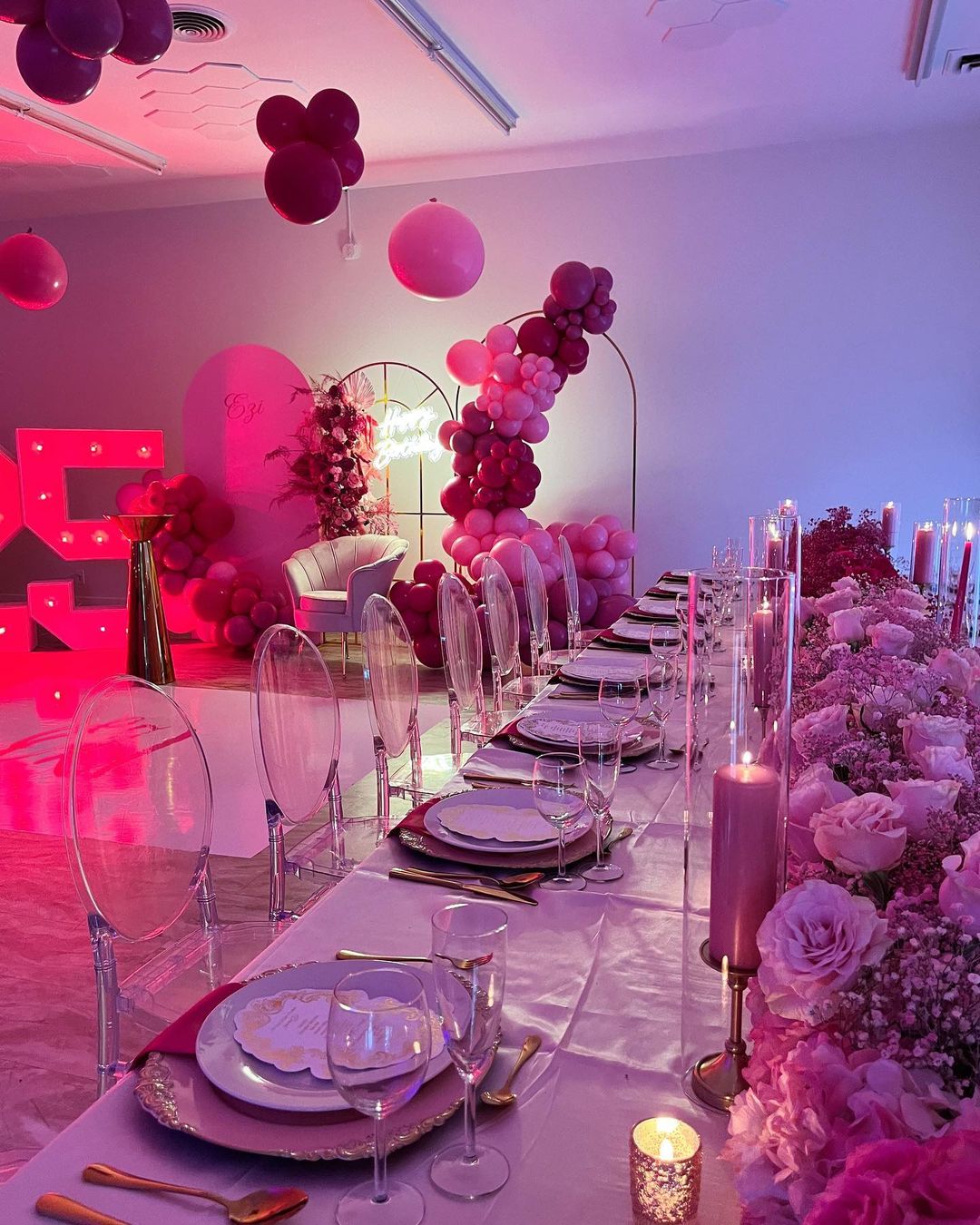
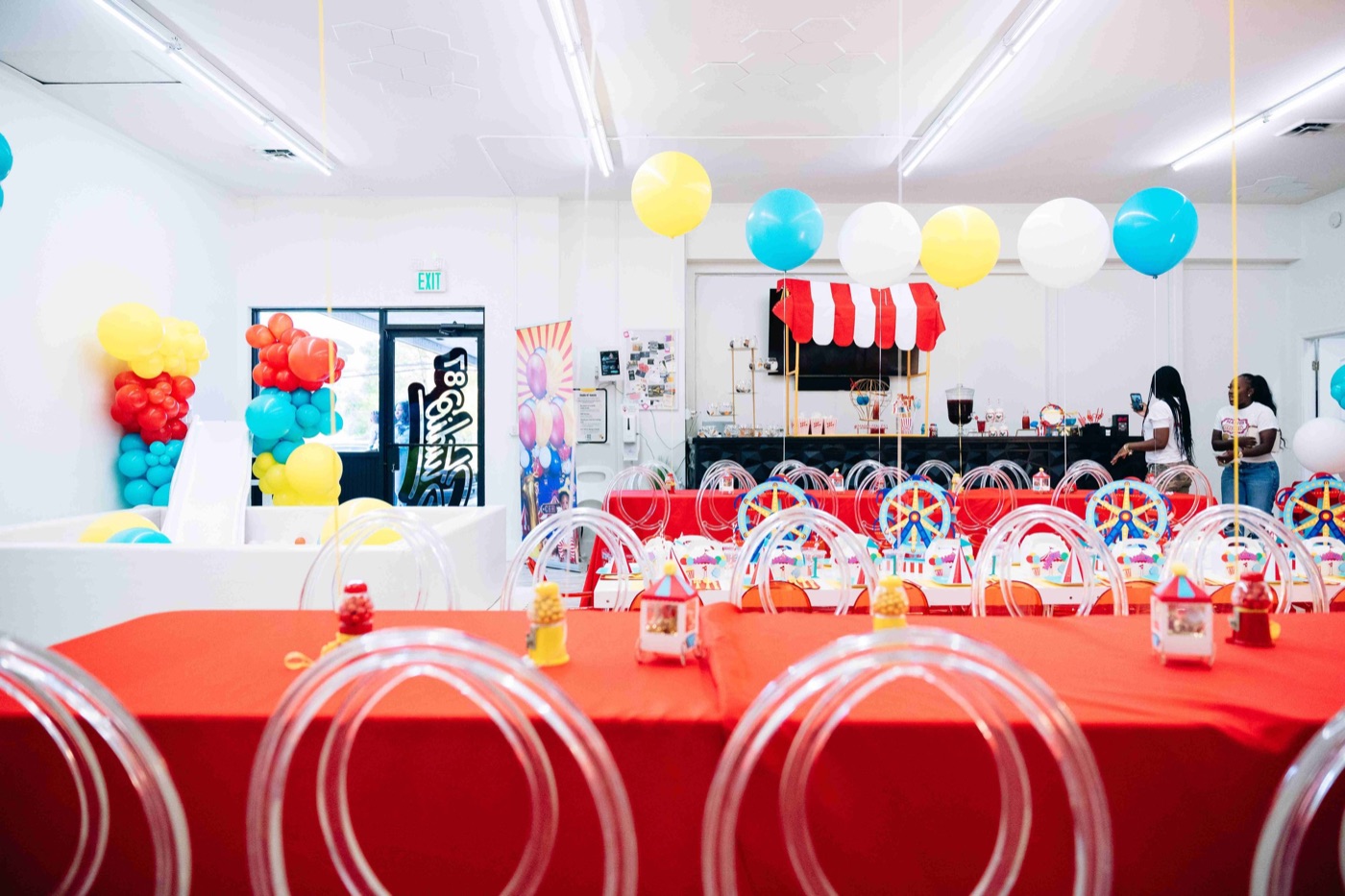
This is the event space business plan I actually followed, at Studio 87, a small venue I ran in Baltimore from an empty former vape shop to a booked-out weekend calendar in under a year. Every number below came off my own accounts.
Event spaces and venues behind this playbook





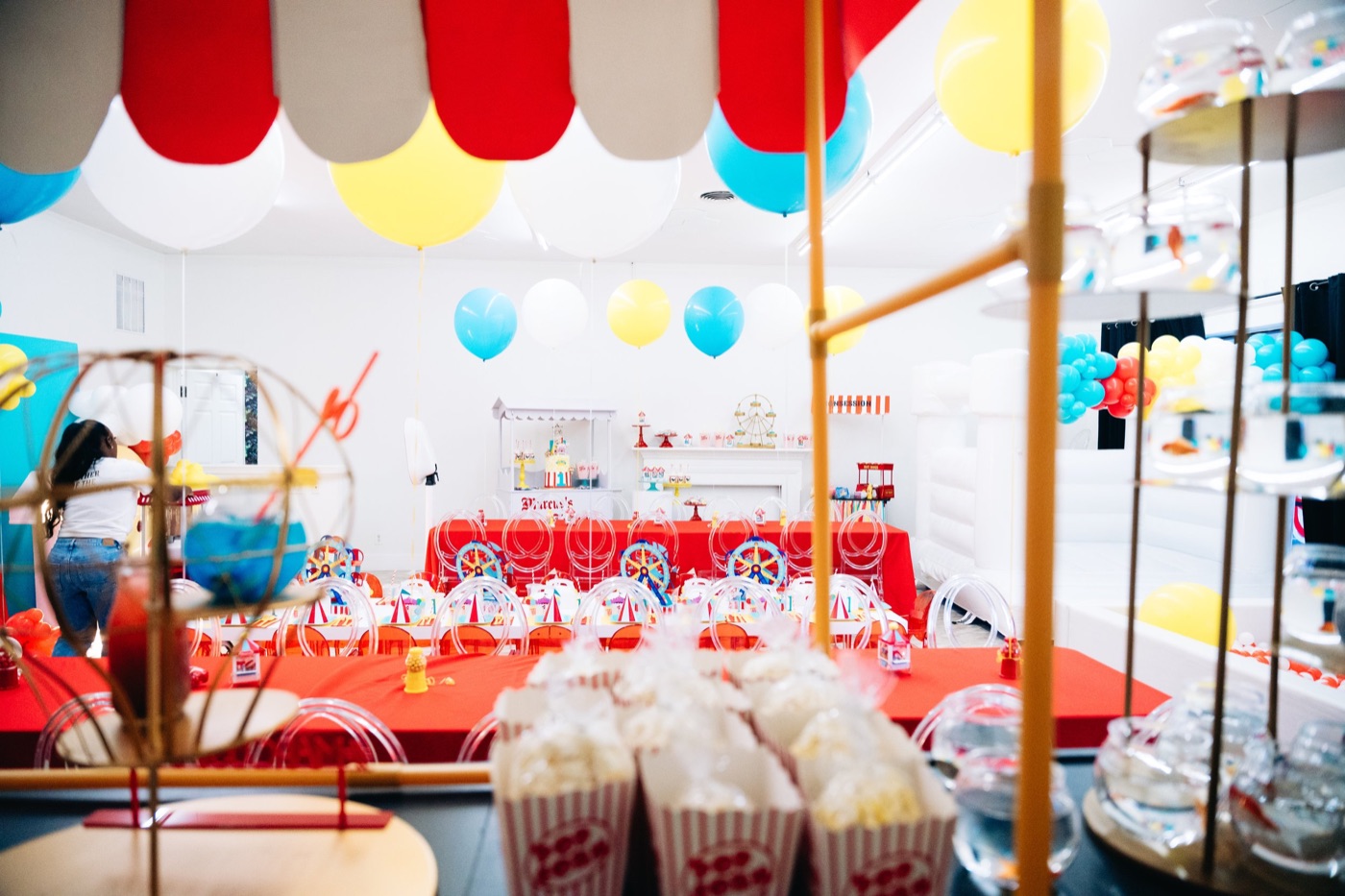
From the outside it looked like rapid success. Keys in September, open by October, past $100K in the first year. Underneath it was a set of systems grinding away every week.
A purpose-built, SEO-optimized website caught the search traffic, and HoneyBook handled proposals, contracts and follow-ups so nothing sat waiting in an inbox. A review workflow turned every happy renter into a five-star review. The rest was held together by one virtual assistant, a cleaning crew I could count on, and SOPs written down in Notion.
Studio 87 is the event venue I owned and operated before the agency existed. Every figure on this tape belongs to that venue, never to a client's account.
| Business type | Event venue rental, photo studio, and photo booth rentals |
| Location | Dundalk / Baltimore, MD |
| Launch timeline | Idea in July, keys in September, open in October |
| Primary channels | SEO, Google Ads, Meta Ads, and social media |
| Systems stack | Squarespace, HoneyBook, Notion, Google Workspace, Mailchimp |
| Public reviews | 250+ across Google, Peerspace, and others |
The revenue model was three lines on that first row: rent the room by the hour or the block, rent the photo studio on its own, and rent the photo booth as an add-on to either. Three products off one lease meant a slow week on bookings could still turn on studio or booth revenue, which is the math I'd tell any new owner to build in from day one rather than add later.
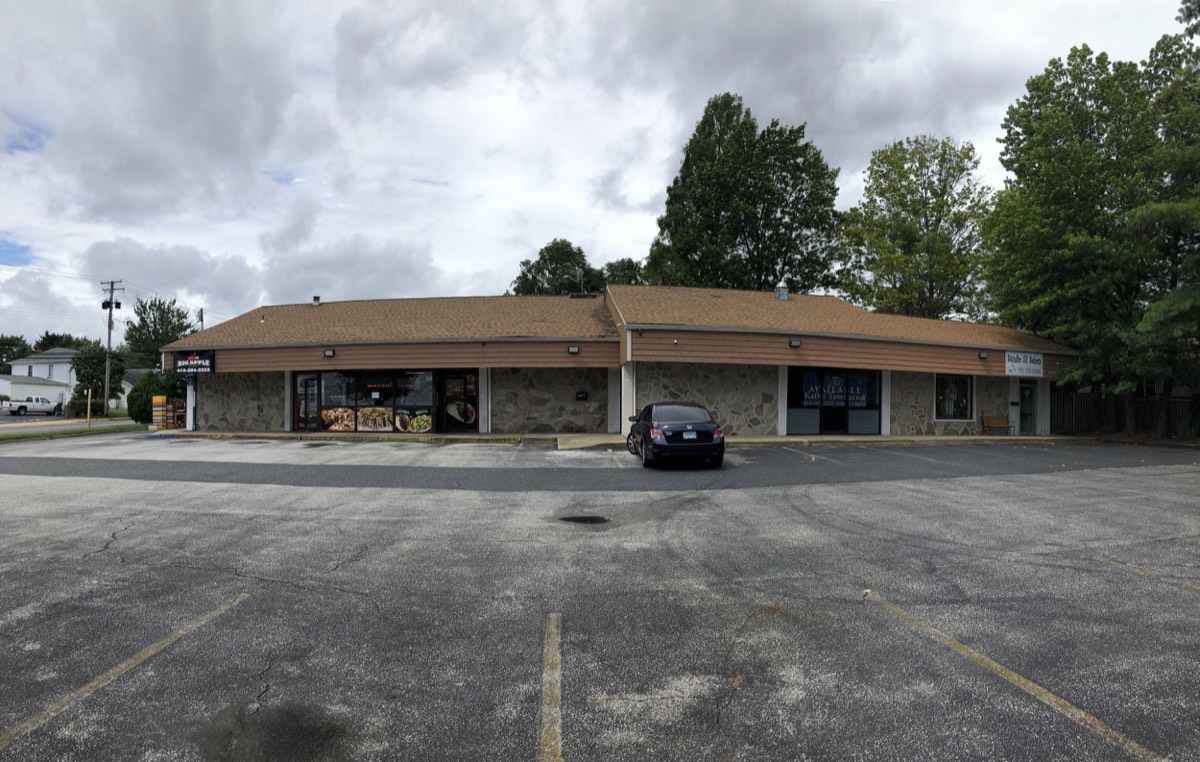
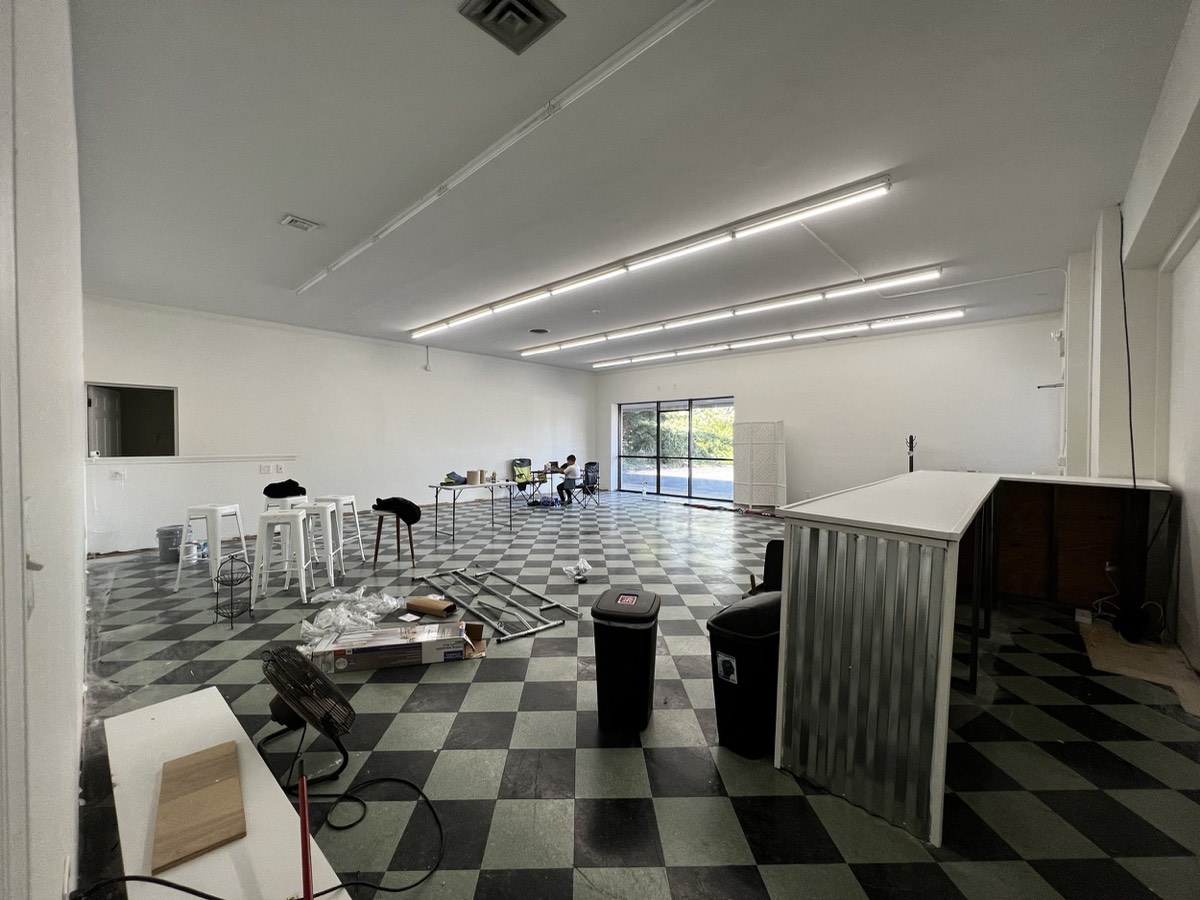
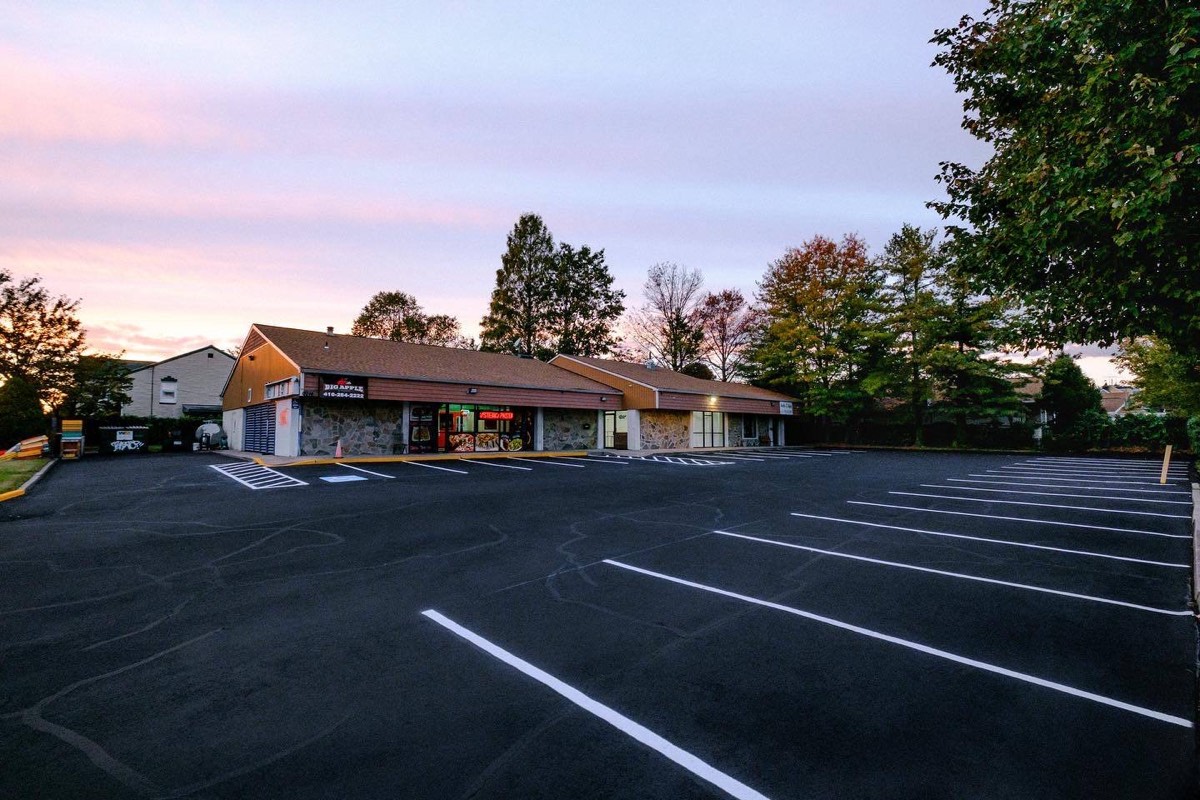
The idea struck in July and the lease was signed in September. The space was a little more than four empty walls and a big dream, a former vape shop that closed during the pandemic and sat vacant for over a year and a half. After touring more than 30 spaces, it was the first one we visited and the one we chose.
During that stretch I found SEO and understood I'd have to rank to fill the calendar. I spent countless hours learning and applying it, while also learning web design, the CRM, automation, and every other job a new venue demands. Every new business starts in the same place: a domain Google has never seen, an empty review page, and no traffic to speak of. The only quick route to renters ran through high-fee listing platforms, and I wanted a better one.
"I realized early that if I wanted Studio 87 to survive, I had to think like both an owner and an event planner, mapping every step of the customer journey before the doors even opened."
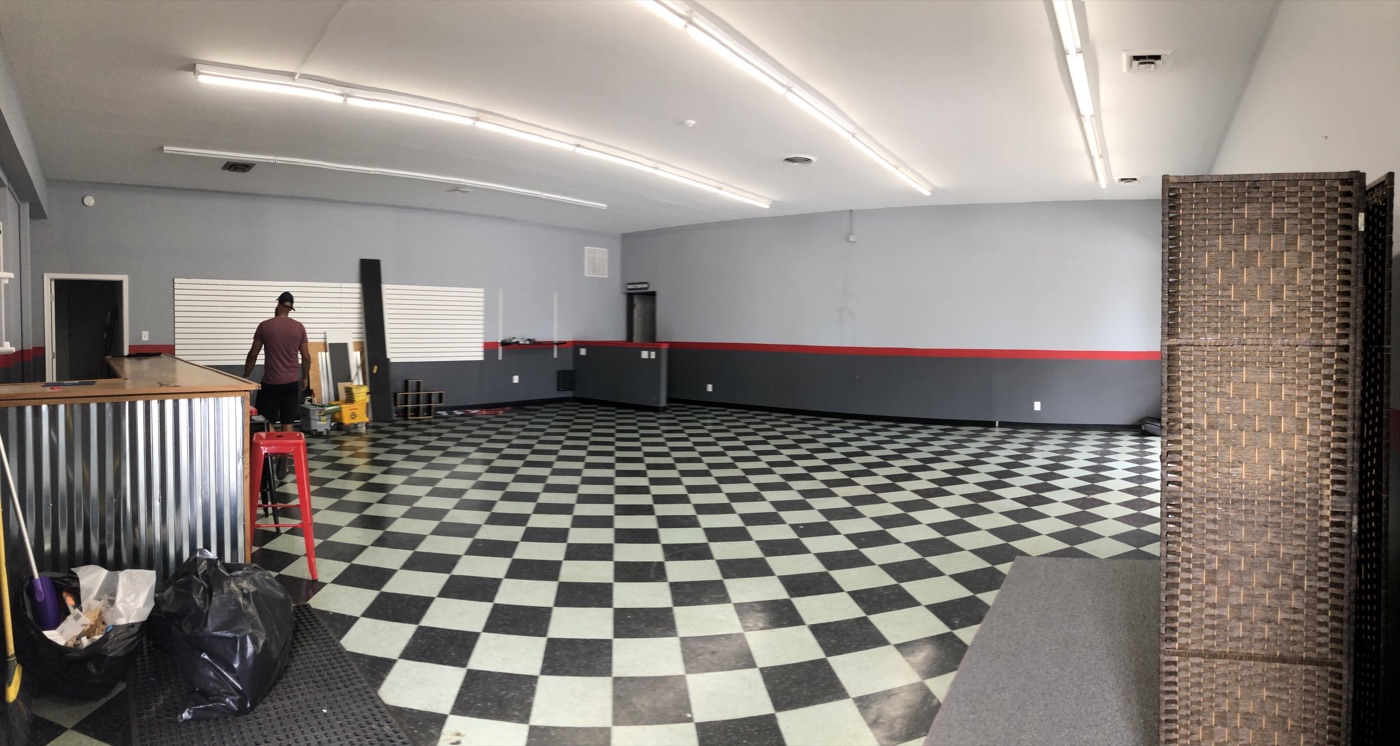
Most marketing case studies open at the good part. Before the first event, the venue had a brand-new domain, an empty gallery, and a review count of zero, and rent was due whether or not anyone could find the place.
That's the honest starting line for almost every local business. We put the website up while the walls were still being painted, so Google had something to crawl months before the doors opened.
The build-out ran about $30,000 and I did not have it sitting in an account. I took a $20,000 personal loan and financed the rest on a credit card, which is the part most plans leave out, and it is the reason the calendar could not afford a slow first quarter. So I ran a pre-opening sale before the doors were open and closed around $20,000 in the first two months, then kept working the plan from there.
organic Google rankings, on a domain nobody had ever searched for
public reviews, and an empty gallery to go with them
website visitors a month, mostly me checking my own work
Filling a venue calendar runs on planning, consistent execution, and a stack of simple tools that talk to each other. Six moves did most of the work.
Keyword planning and site build. I planned the whole website on late nights, picked the core "event venue Baltimore" phrases, added long-tail terms like "photo studio rental" and "event planners welcome," and launched a fast, mobile-first site. That gave Google something to crawl while the paint was still drying.
Local SEO foundations. I created and optimized the Google Business Profile on day one, photos, service areas, and Q&A. Every time I updated paint or decor I added fresh, geotagged images. By the ribbon cutting, Google already trusted us enough to rank for "event space Dundalk" and similar searches.
A review-generation engine. A HoneyBook workflow sent a friendly email and text 24 hours after every booking, asking for feedback and a quick review. That produced 25 reviews in the first 90 days, and 250+ over time.
Social and video hype. I documented everything, paint on the floor, hardware-store runs, the first walkthroughs. Short reels and behind-the-scenes clips built curiosity, so people who finally toured in person would say, "I feel like I already know this place."
Paid ads with laser targeting. Once organic traffic arrived, I ran $5-a-day Google remarketing and low-budget Meta campaigns aimed at newly engaged people within 15 miles. Because the SEO was already pulling high-intent traffic, those ads converted at one in ten or better, by my tracking at the time.
Systems and automation. HoneyBook ran inquiries, tours, contracts, invoicing, and upsells. Notion held every SOP and hand-off. Weekly emails kept us top of mind, a 360 virtual tour from OpenDoors360 saved site visits, and an AI chatbot answered late-night questions and captured leads.
This page covers the plan itself, the moves and what they produced. For the numbers behind whether an event space is worth opening at all, startup costs, margins, and the honest risks, I wrote a separate breakdown on event space profitability. I also have a longer piece on event venue advertising if you want the ad-channel detail. The same six moves, packaged for owners who would rather not run them alone, are the venue marketing engine.
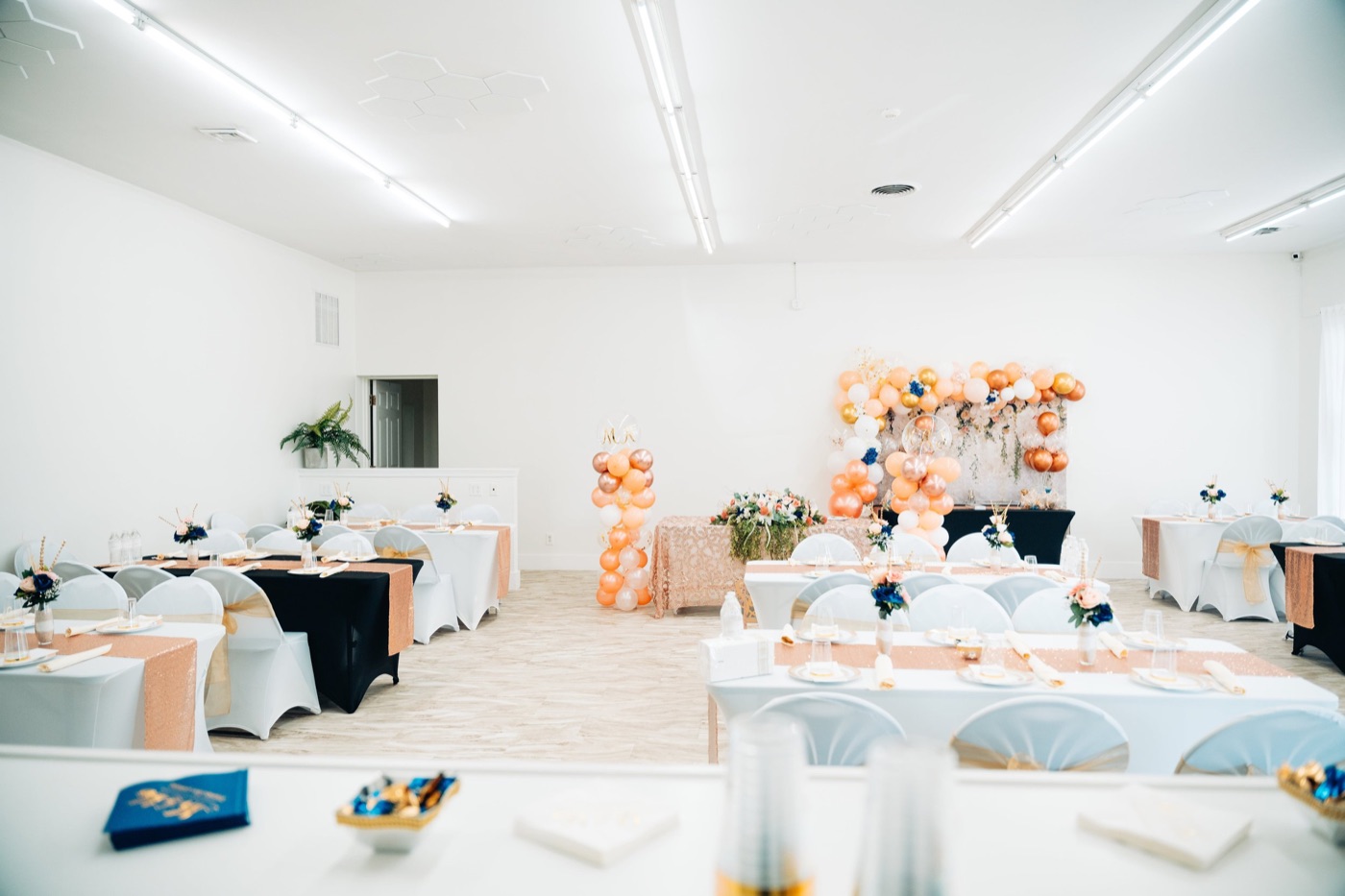
Inside the first year we outranked venues that had been renting rooms in this city for decades, on a lean budget and almost no staff, and the phone started ringing. If your own room leans on couples, I broke out marketing a wedding venue on its own page.
| Metric | Before launch | 12 months | 36 months |
|---|---|---|---|
| Organic Google rankings | 0 | 50+ core keywords | 1,000+ high-value keywords |
| Monthly site visitors | Under 50 | 1,200+ | 2,800+ |
| Qualified leads | 0 | 600+ | 1,000+ |
| Booked events | 0 | 90 | 350+ |
| Public five-star reviews | 0 | 100 | 250+ |
| Revenue | $0 | $100K+ (year one) | $300K+ cumulative |
Studio 87's own numbers, out of the venue's CRM and Google accounts during the years I ran it.
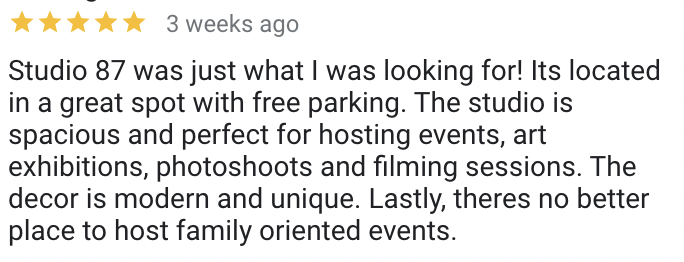
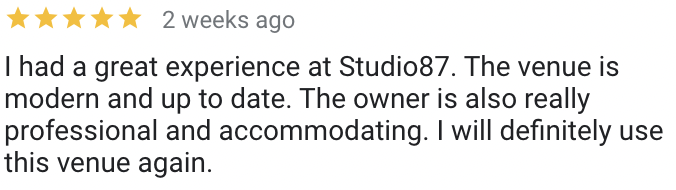
These went up on the venue's Google profile during the years I owned it, from guests who booked the space and used it.

I tracked every inquiry from September 2021 through December 2024. Lining up SEO, ads, and social content meant meeting clients wherever they were in their planning, without one platform carrying the whole calendar.
If you handed me your venue's books tomorrow, these are the three lines I'd pull first. How much of the calendar came through a marketplace tells me how much of the business you actually own, and what you got back per ad dollar tells me whether that money bought customers or just noise. Then I'd look at the ad budget itself, because a good return on a big budget is a different business than a good return on $300 a month.
of bookings came through marketplaces, so the fees stopped leaving the business
roughly 8 dollars back for every 1 spent, from retargeting warm traffic, by my own tracking at the time
a month at most, tightly targeted, against venues with far deeper pockets
The four levers that filled Studio 87's calendar are the work I do every week for local businesses across Baltimore and the DMV.
One thing worth saying plainly, because owners ask: the website is part of this, not a separate project. If your site is what's holding the rest back, we build it inside the monthly plan instead of quoting you for a build first.
Studio 87 is the one I lived. To see the same playbook run on somebody else's business, read what we did for a Brooklyn auto body shop, and the rest are on the case studies hub.
These come from real conversations with owners, and with people a week away from signing a lease.
Opening an event space cost me about $30,000 in build-out at Studio 87, funded with a $20,000 personal loan and the rest on a credit card. That figure is one room in one market, so treat it as a reference point rather than a benchmark: your number moves with square footage, the condition of the space, and how much of the work you do yourself. The line items that made up mine were the unglamorous ones, flooring, paint, curtains and rods, a TV and mount, wifi and a thermostat, insurance, the LLC filing, and the software the business would run on. What mattered more than the total was having a way to earn before the doors opened, which for me was a pre-opening sale that closed around $20,000 in the first two months.
An event space business plan needs five things to be usable: a launch timeline, a revenue model, a marketing plan that gets the room found before it opens, a systems stack that runs bookings without full-time staff, and a way to track which channel actually produces a booked event. Studio 87's plan ran on all five: keys in September, open by October, a website live and indexing before the doors opened, and a single virtual assistant running the systems once the calendar filled. For the startup-cost and margin side of the plan, the honest numbers are on the separate profitability breakdown linked above, since this page tracks what the plan produced, not an itemized opening budget.
Marketing a brand-new event venue starts with local SEO. Claim your Google Business Profile and load it with photos, then add "event venue" plus your city where it fits your real business name (if the city is not part of your legal name, Google can flag it, so many owners register a DBA that includes it). Pair that with a fast, simple website that targets "event venue" keywords and captures leads through a contact form or chatbot. Once organic traffic trickles in, layer on low-budget Google Ads aimed at "event space near me" so you show up above the big listing platforms.
Listing platforms usually prohibit taking a lead offline onto your own site, since they found the lead and want their cut. Direct bookings come from content and retargeting. Get in front of the camera, talk about your space and the reality of running it, and show what the room can do so people know you before they inquire. Then retarget your website visitors with Meta or Google Ads, which is normally the fastest way to turn that attention into inquiries. Back it with a short email or SMS sequence that walks people through pricing, open dates, and a virtual tour.
Four automations earn their keep at a small venue. A scheduler like HoneyBook that blocks dates automatically so you never double-book. A review-request message that fires 24 hours after every event. A CRM workflow that tags new clients and drops them into anniversary or birthday nurture sequences for repeat bookings. And an AI chatbot on your site that answers pricing questions and captures phone numbers at 2 a.m.
Word-of-mouth and paid ads do different jobs for a venue. Referrals are priceless and unpredictable, while a $5-a-day Google search campaign buys reach you can count on and often beats a broad Facebook traffic ad, because you only show up for people already searching for a venue, warm traffic halfway through the decision. Combine that with consistent reels of real event setups and you cover both paid and organic visibility.
An event venue has no fixed review target, but a simple rule helps: if you host at least one event a week, you should be earning at least one review a week. Keep them authentic, ideally with photos and a real description of the service. Venues that pass 100 public reviews tend to outrank listings with 20 or fewer, because reviews drive trust, local rankings, and click-through. Studio 87 reached 250 by automating polite requests and answering every single review within 24 hours, which Google rewards.
Weekday calendar gaps fill fastest with a weekday-only rate. Publish it through a social story highlight and push it with an email to past clients, then add a small, local Facebook ad aimed at entrepreneurs or non-profits. Because "weekday availability" is already a segment in your CRM, the campaign feels personal and fills low-demand slots while your weekend rates hold.
Channel tracking starts with UTM parameters on every ad and social link, connected to your CRM or Google Analytics. When an inquiry form is filled out, you can see the source, whether that's Google Ads or Instagram. Pair that with a short "How did you find us?" question in your intake. Over time you'll know exactly which source pays and which one to trim.
A big budget is optional for competing with larger venues. Studio 87 outranked bigger players on a lean stack: consistent content, tightly targeted ads under $300 a month, and relentless review generation. The algorithm rewards relevance and engagement over raw spend, and a well-optimized Google Business Profile often beats a big-budget competitor whose listing sits half-finished.
Hiring a social-media manager can wait while the budget is tight. Record short behind-the-scenes clips after each setup and schedule them with free tools like Meta Business Suite, with captions and geotags for "event venue" visibility. As revenue grows you can outsource the editing, and keep the owner-voice posts yourself, because real footage of a physical space beats generic stock every time.
Results from this venue booking system arrive at different speeds by channel. Local SEO gains can surface in 30 to 60 days on long-tail keywords, and paid ads can deliver bookings the same week. Reviews start influencing rank after 10 to 15 new five-star ratings. Most venues that run the full stack of SEO, ads, automation, and social proof see a noticeable lift within 90 days. Studio 87 closed around $20,000 in pre-sales in the first two months, before the doors opened.
I ran one before I ran an agency, so I know which numbers bite. Bring yours and we'll look.
You get 30 free minutes with me, an owner who has run the kind of business you're in. You'll leave with a real marketing plan whether you hire us or not.
¡También Hablamos Español!