
Event Venues
Are Event Spaces Profitable?
A former venue owner runs the honest math on what event spaces really earn.
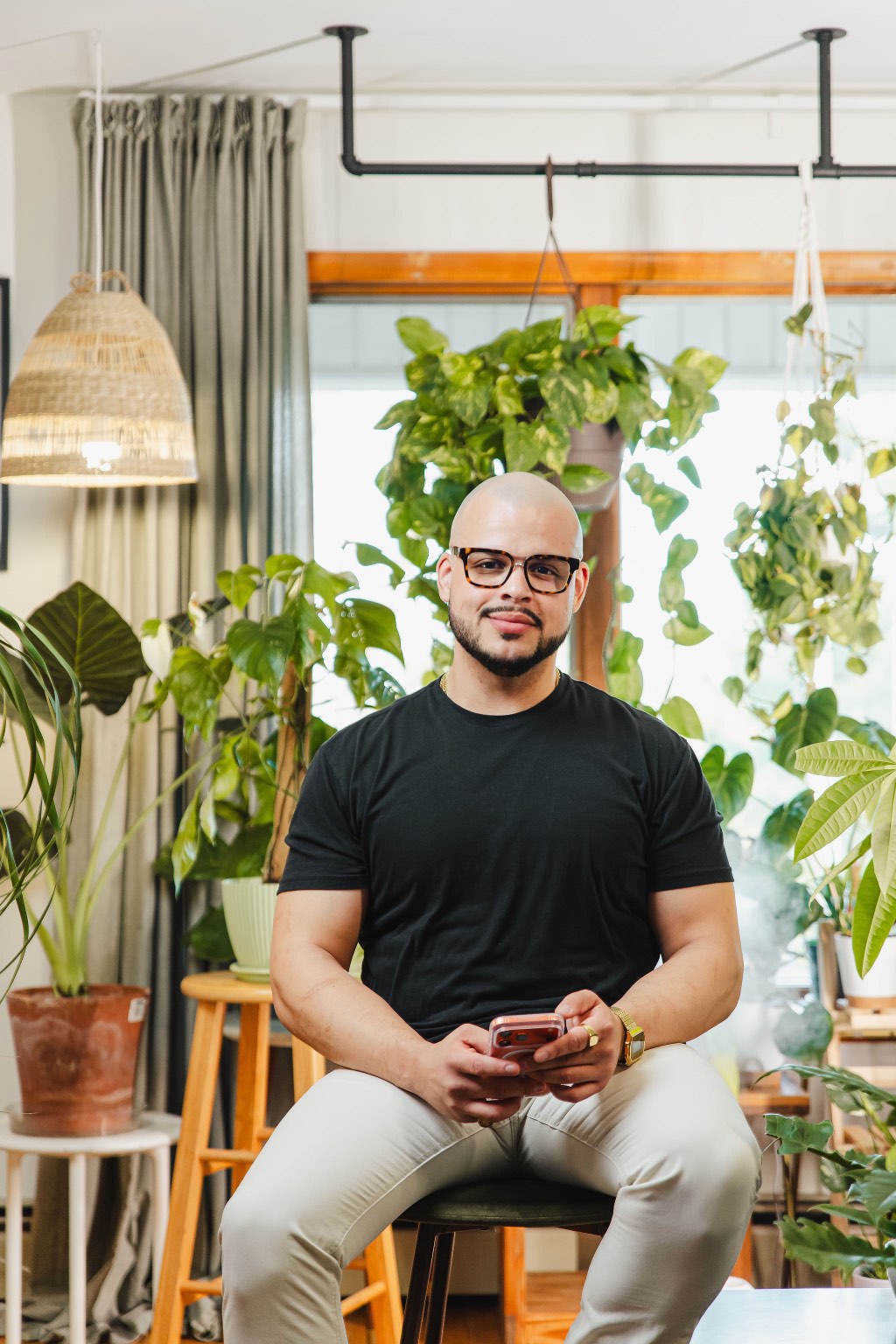
I grew my own Baltimore venue, Studio 87, to 380+ bookings, and search did the heavy lifting. This is the guide I run at Another Monday: every advertising channel compared, what each one costs, and where your first dollar belongs.
Event venue advertising is the paid and organic promotion that puts your event space in front of people planning weddings, corporate events, and parties at the moment they're choosing where to host. It works in three layers: show up where people are searching for a space (local SEO, paid search, directories), make the venue easy to picture and easy to price (professional photos, virtual tours, pricing planners can find), then stay in front of the past clients and event planners who book again.
Most venue marketing advice starts with social media. Mine doesn't.
I ran a venue and paid for every one of these channels out of my own pocket, so I got to watch which ones put dates on the calendar and which ones just kept me busy.
That order is the only thing this guide is really selling you.
Another Monday, my marketing shop in Baltimore, runs the same playbook for venue owners and local businesses across the DMV, so this guide skips the theory and sticks to the marketing strategy that filled my own building.

A venue doesn't sell a product people can hold. It sells a Saturday. You're asking someone to picture their wedding, their conference, their daughter's quinceañera inside your four walls, then commit thousands of dollars months before the date arrives.
The trust bar is high, the ticket is higher, and there are no do-overs. That changes how you advertise.
Your target audience splits into at least four groups and they shop differently.
Corporate teams booking board meetings, conferences and retreats compare amenities, hours and AV, while wedding couples buy on feel, lighting and decor.
Event planners want a responsive team and a space that photographs well, since your room ends up in their portfolio too. Families planning a birthday party mostly want the price stated plainly and capacity, and they want it today.
Start with cheap market research.
Read the reviews of every event space and hotel ballroom in your area, the industry leaders included, and guests will tell you exactly what the market demands, where the competition falls short, and what would make your room worth mentioning.
That kind of competitive analysis costs an afternoon and hands you your messaging. If every review across town gripes about hidden fees, publishing your rates just became your loudest ad.
Empty dates don't roll over. Every open weekend that passes is revenue gone for good, and that's the whole reason venue marketing deserves a real budget instead of leftovers.

Venue owners ask me some version of the same question: where should the money go first?
Here's the honest napkin sketch of the digital marketing mix I'd draw if we were sitting across a table, plus the two offline plays that still earn their keep.
| Channel | What it costs | Speed to bookings | Best for |
|---|---|---|---|
| Paid search (Google Ads) | A budget you set, billed per click | Fast, sometimes the first week | High-intent searches and near-term open dates |
| Local SEO | Time, or a monthly plan | A slow build that compounds | Owning your city's venue searches long term |
| Google Business Profile | Free | Quick to claim, grows with reviews | Map visibility, calls, direction requests |
| Instagram and TikTok | Free to start, hungry for time | Medium | Weddings, parties, making the space memorable |
| Directories (Peerspace, The Knot, Eventective) | Free tiers, paid upgrades | Medium | Borrowing an audience of active event planners |
| Email marketing | Nearly free | Fast | Repeat business, referrals, filling slow months |
| Open houses and vendor partnerships | Your time plus hosting costs | Slow but sticky | Word of mouth from photographers, caterers, planners |
Don't try to run all seven at once.
The mix that works for most venues is search first, one visual platform done properly rather than three done badly, and some simple way of staying in touch with the people who already booked you once. Add a new channel only after the last one pays for itself, which is a rule I wish somebody had given me in year one instead of year three.

A marketing strategy is just choices in order. These are the proven strategies behind the venues we work with, sequenced so each step makes the next one stronger. The first step costs nothing but an afternoon.
Google Business Profile first, then the directories your ideal clients browse. Fill every field: capacity, amenities, hours, parking, real photos. Keep them updated after renovations.
Publish rates, or at least starting prices with tiered packages. Add high quality images, a virtual tour, and an inquiry form that asks how they found you.
Target the keywords that book: your city plus event space, wedding venue, party venue. A page per event type beats one page chasing everything.
Start with a small daily budget on tight keywords, and send the clicks to pages that tell the truth. Pause anything that earns clicks but no inquiries, and let the data decide.
Show the setups in progress, the room flipping between events, and the nights themselves. Post what makes planners stop mid-scroll, on a schedule you can sustain.
Send a thank-you note, ask for an honest review, and make it worth their while to host again. Then newsletters that stay useful instead of noisy.
Somebody scrolling a feed at 11pm is relaxing. Somebody searching "event venue for 150 guests with parking" is shopping. Only one of them is ready to schedule a tour, which is why search sits at the center of every venue marketing strategy I build, and why social plays support instead of lead.
SEO is the long game. Search engines process millions of venue searches, and the spaces that show up on page one collect that interest month after month without paying per click.
Your competition in those search results includes hotel ballrooms, restaurants, and every event space in your area, so depth matters: a strong page for weddings, another for corporate events, another for parties, each answering the questions people are actually searching. For the wedding page specifically, I laid out the wedding venue marketing ideas that actually book dates in their own dedicated guide.
It's how I grew my own event business. If you want the full strategy beyond ads, I wrote a complete guide to event venue marketing and a dedicated breakdown of the organic side for venues.
Paid ads buy the speed SEO can't, so your ad shows up the moment somebody types the exact phrase you picked, you pay only when they click, and you cap the spend wherever your budget actually sits.
That is the trade: ads start working today and stop when the budget stops. SEO takes months to move, and then it works while you sleep.
Those aren't projections, they're line items from real reporting.
If you'd rather skip learning bidding strategies yourself, putting your space in front of the exact audience searching for it is what our Google Ads agency in Baltimore does all day.
And the two feed each other. The search terms that convert in paid campaigns become the keywords your SEO targets next, so every dollar teaches you something.
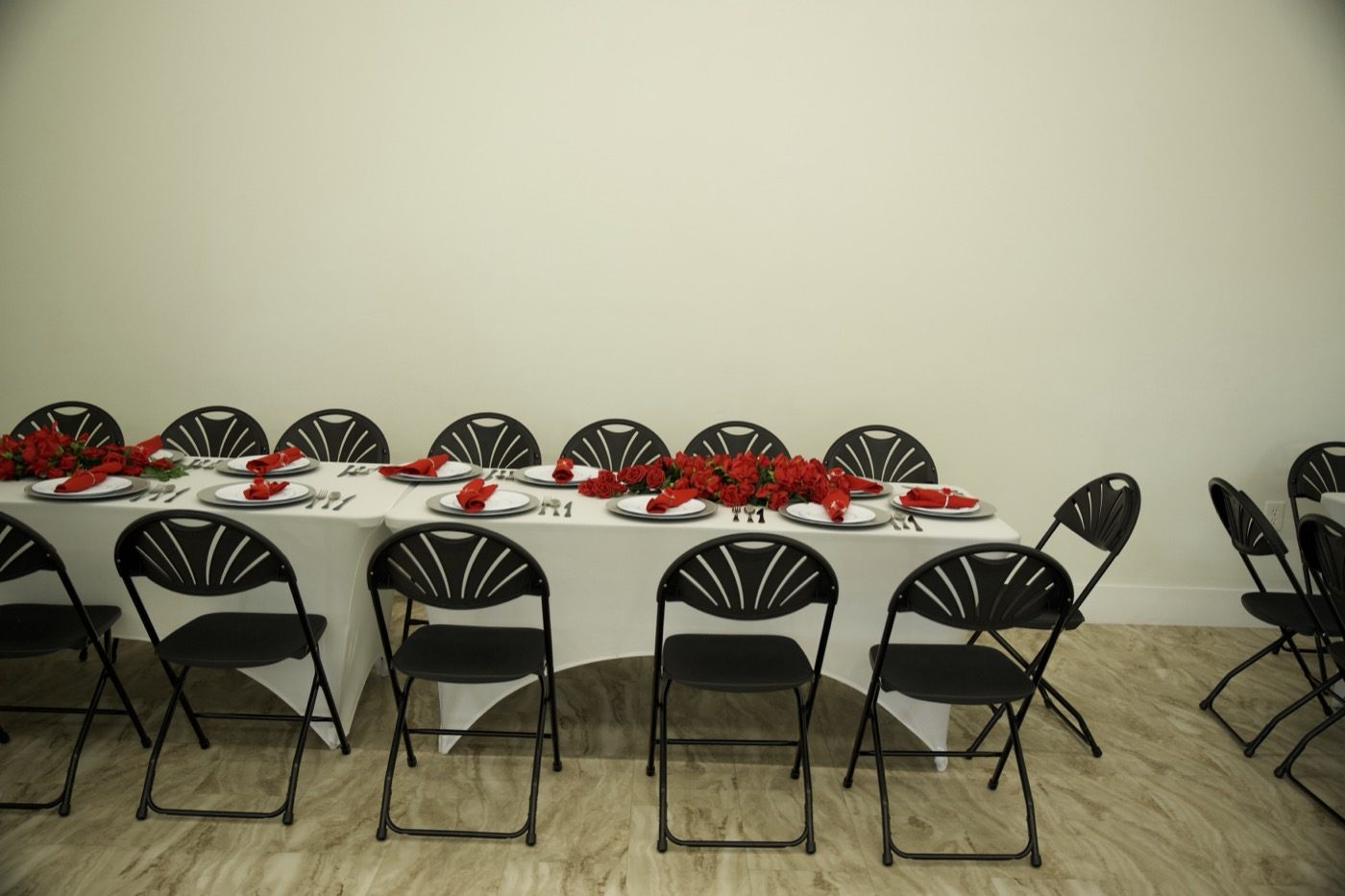
Your website is your first employee. It gives tours at 2am, answers the pricing questions you'd rather not repeat, and either builds trust or quietly kills it.
Before you spend a dollar driving traffic anywhere, make sure the destination can close. A few things turn a visit into an inquiry:

Virtual tours deserve a special mention for venues. A 360 walkthrough answers the "will my guest list fit" question visually, cuts down the maybe pile, and lets a couple view the room from another state before they travel.
Venues that skip virtual tours make planners work harder, and planners book the spaces that save them work.
You need both, and they feed your listings and social accounts too.
One of the best practices I learned on my own building: photograph every event type you host.
When a corporate prospect sees only weddings on your site, they assume you're a wedding venue.
The reverse holds too. Show the whole story and let each audience find itself in your gallery.
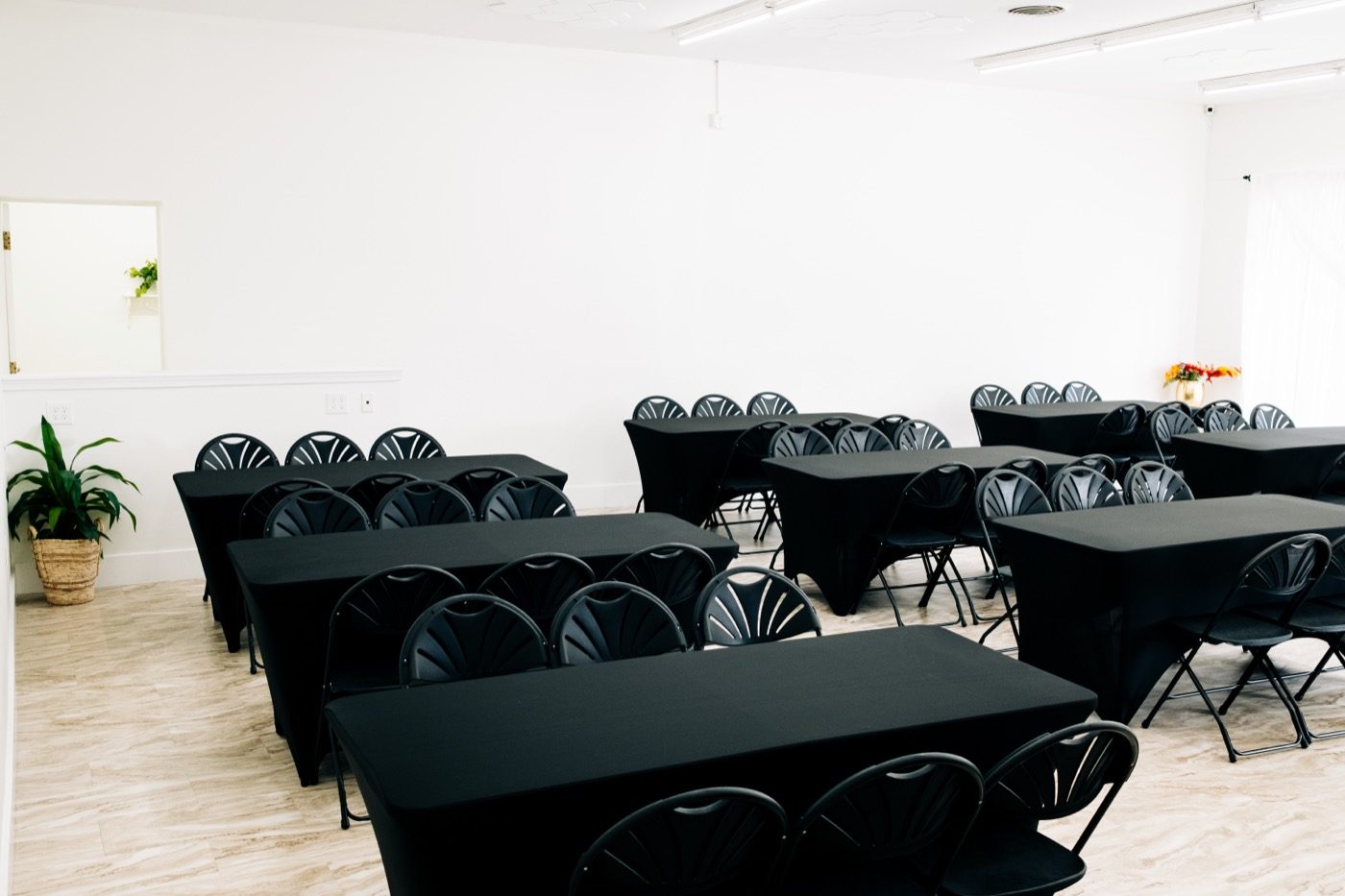
Content marketing for a venue is easier than for almost any other local business, because every event hands you material. The room transforms week after week: bare floor on Thursday, quinceañera on Saturday, product launch on Tuesday.
What earns attention on social media platforms: behind the scenes setup timelapses, your staff flipping the room between events, vendor collabs, and guest experience moments that make people feel the night. Instagram and Facebook still drive weddings and parties, TikTok reaches younger hosts, YouTube keeps your walkthrough videos working for years, and LinkedIn quietly books corporate retreats and conferences from teams searching for offsite spaces.
Short clips beat polished ads on every one of those platforms, and we broke down exactly how to make them in our guide to short-form content for local businesses.

First, post on a schedule you can sustain, because consistency beats volume. Second, let others create for you. Every photographer who shoots your space is making content, so ask for the files and the tag, and build relationships with the vendors who post there.
Every host who shares their event is marketing your venue to their exact guest list. That's the easiest venue marketing you'll ever do: the events make the content, you just capture it. Reply to comments, answer messages fast, and increase engagement by acting like a person instead of a brand account.
Just keep the goal straight. Social media followers don't pay rent. Inquiries do.
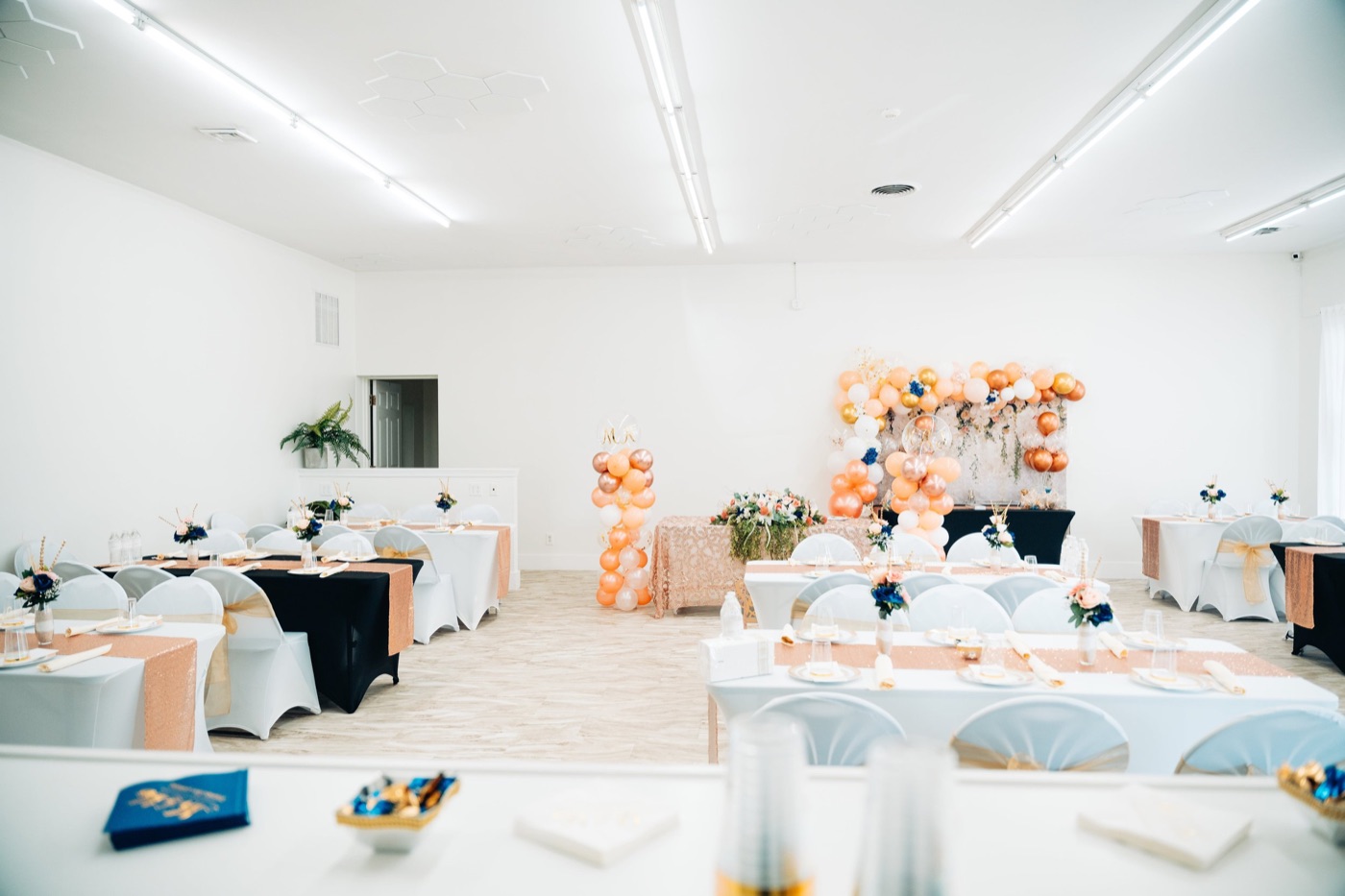
Studio 87 was my event space in Baltimore. Not a client's. Mine.
The proven strategies above got tested with my own money before Another Monday ever charged a venue owner for them, and the numbers are why I trust the order I gave you.
Growth was SEO-led, with my own paid campaigns layered on top, and the model transfers: we run marketing for wedding and event venues and for local businesses across the DMV. Still deciding if the numbers on the business itself pencil out? I broke down whether event spaces are profitable using what the venue actually earned.

Your Google Business Profile is the most valuable free advertising a venue can claim. It puts you on the map for "event venue near me" searches, collects reviews, shows your photos, and hands you calls and direction requests without a dollar of ad spend.
Most venue owners set it up once and forget it. The ones who add photos, post updates, and answer every review get more exposure from the exact same free listing, and more leads with it.
Then work the free ideas in order of effort:
The vendor network deserves the extra mile. Photographers and wedding planners see hundreds of spaces and get asked for recommendations constantly, so build relationships before you need them and return every referral you can. Those long term relationships become a quiet stream of qualified leads that no ad can buy.
Your existing client base works the same way: a corporate team that loved their holiday party will book again if you make it easy, so encourage repeat business with a returning-host discount and a note when their usual month opens up. It costs almost nothing and it compounds.

Pick a number your revenue can sustain every month, move it to its own account, and treat it as fixed.
Venue marketing gets in trouble when spend swings with mood: heavy after a slow stretch, nothing when the books look full, which quietly guarantees the next slow stretch.
Then make the budget prove itself. Lead tracking for venues is refreshingly simple: a required "how did you hear about us?" field on the inquiry form, tracking numbers on your listings, and a CRM that logs every inquiry, source, and outcome. We set clients up on HoneyBook CRM so inquiries, proposals, and booked dates live in one place, but even a spreadsheet beats guessing.
Check it monthly. Feed the channels that increase bookings, starve the ones that only generate clicks, and note which months need a push before they arrive. Marketing efforts you can't measure have a way of quietly eating the budget.
Another Monday runs venue marketing end to end, plans start at $800 a month and most venues land on the $1,550 one, and you see the same reporting and analytics I look at. Prefer to talk it through first? Call or text 410-999-0169.
Ask me anything about your marketing efforts.
The answers are free, and you're welcome to take the plan and run it in house.
The questions venue owners ask me most, with the answers I give across the table, in plain English.
You control most of the cost, because digital marketing scales to the budgets you set. Paid search charges per click on a daily cap you choose, directories offer free tiers with paid upgrades, and social costs time before it costs money. Pricing varies by venue type and market, so anchor to results instead: one client account took 162 phone calls in a single month at about $12 each. Want the whole system run for you? Our monthly plans start at $800, and most venues land on the $1,550 one. Either way, the goal is to increase bookings, not clicks.
To promote your venue with advertising, split the budget by when people are looking. Search engine ads catch planners who already need a room, and social media advertising reaches couples and corporate event planners earlier, while they're still collecting ideas. A virtual tour of your venue linked from both gives either ad a better shot at a booked walkthrough. Judge both on lead generation, meaning inquiries with a date and a guest count, since reach alone doesn't fill the calendar. Event planning and event management pros book on specifics, so show them real setups and real numbers, the way a case study would.
Local search is the best way to advertise an event venue, because it reaches people already searching for a space. Someone typing 'wedding venue near me' wants a date, not inspiration. The best venue marketing strategy pairs SEO with a small paid search campaign, an active Google Business Profile, and virtual tours that let planners walk the space from their couch. Search engines reward venues that answer real questions in plain language, and my own venue reached 380+ bookings with that exact marketing strategy leading the way.
Google Business Profile is the most valuable free listing, and it feeds the map results planners check first. The rest of the free lineup: free tiers on Peerspace, Eventective, and The Knot, neighborhood Facebook groups, community event pages, and cross promotion with the photographers and caterers who already love your space. Free ideas trade money for time, but a venue can build real visibility on social media platforms and directories without an ad budget.
The 5 P's are product, price, place, promotion, and people. For a venue, that reads as the space and packages you offer, rates your target audience can actually find, the platforms where you show up, the campaigns that spread the word, and the staff and vendors who shape the guest experience. Venues usually jump straight to promotion, then lose weddings and corporate bookings on price visibility. Fix price first.
Always-on beats bursts for venues. Wedding couples often start searching a year or more before their date, while corporate events and birthday parties move on shorter timelines, so a venue that only advertises ahead of its busy season misses the longest planners entirely. Keep search running year-round, then time your social pushes and special offers to booking patterns, when people plan, not when they celebrate.
Yes, when they target high-intent searches. Ads on phrases like 'rent event space' or 'venue with parking' put your space in front of the exact audience shopping for a date, and you only pay for clicks. Across the accounts we manage, paid campaigns have driven 2,382 calls and form fills at about $18 each. The wins come from tight keywords, honest landing pages, and lead tracking that ties every inquiry back to its source.
Start with the four that pull the most weight: a fully filled Google Business Profile, one strong web page per event type, a small paid search campaign on high-intent keywords, and a virtual tour that lets planners walk the space from home. After those, publish transparent pricing, ask every host for an honest review, and set up cross promotion with the photographers and caterers who already work your rooms. Skip the clever stuff until the fundamentals are earning. A venue that shows up in search and answers questions in plain language beats a viral post that books nobody.
Show corporate planners you can handle their event before they ask. Photograph the room set for a conference, a board meeting, and a corporate retreat, then publish the details they screen for: capacity, AV, parking, hours, and catering options. A page built around corporate events, separate from your wedding page, ranks for the searches those planners run and keeps them from assuming you only do weddings. Reviews from past corporate bookings close the gap, so ask for one every time a team wraps up.
Make couples picture their day in your space, then make the next step easy. Wedding couples buy on feel, so lead with professional photos of a real reception, a virtual tour, and a dedicated wedding page that answers guest count, pricing, and vendor questions up front. Show up in local search for 'wedding venue near me,' keep an active presence on Instagram, and build relationships with wedding planners and photographers who send referrals. Studio 87, my own Baltimore venue, reached 380+ bookings with that mix, search leading and social supporting.
More operator playbooks from The Marketing Department.
A former venue owner runs the honest math on what event spaces really earn.
The wedding side of the same math: what one date earns against what the room costs every month.
The plan I actually followed at Studio 87, from an empty former vape shop to a booked-out weekend calendar in under a year. Every number came off my own accounts.
Tell me about the room and what you've already tried.
Last 90 days, across the sites and Search Console/GA4 accounts Another Monday manages. Figures as of August 2026.
Bring your booking numbers and your slowest month. You'll leave one free call knowing which channels fit your venue and what I'd do first. What happens after that is your call.
Book a free strategy call¡También Hablamos Español!