

Tools
Google Workspace for Small Business
The setup guide: domain email, MX records, moving your old mail across without losing it, and which plan to pick.
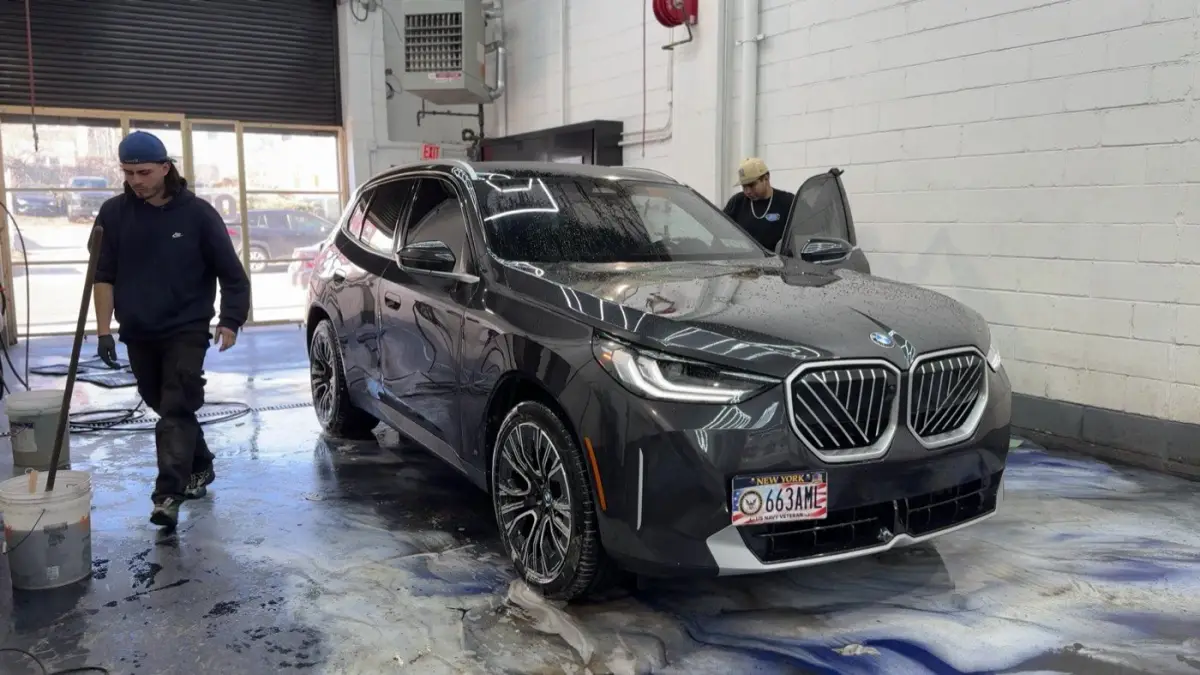
Exclusive Collision and Repair put everything into a new Brooklyn location and needed the phone to ring. I rebuilt their website and ran the SEO, and made sure the paperwork their customers hated finally worked the way it should.

Exclusive Collision and Repair is an auto body shop in Cypress Hills, Brooklyn. They do collision damage, frame and structural work, paint, auto glass, towing and jet ski repair. They hold New York State DMV Repair Shop Registration 7135479, they run ADAS calibration on the cars whose driver aids need it, and they warranty parts, labor and paint for life. I built their website and I run their SEO.
I migrated the website from Squarespace to a custom-coded site and made sure each of these services had its own page. The shop did not have digital ways for inquiries aside from their phone number, so I made sure the contact forms were wired for maximum impact to the customer and to the shop. Each form stores its submissions on a Google Sheet while also emailing the shop and a confirmation to the customer.
The search side has been climbing since. Google search clicks over the last 90 days are 2.0x what they were in the 90 days before.
| Business type | Auto body and collision repair |
| Location | 28 Marginal St W, Brooklyn, NY 11207 |
| Live site | exclusivebodyshop.com |
| Service pages built | Collision repair, frame and structural, paint, auto glass, towing, jet ski repair |
| Credentials published | NYS DMV Repair Shop Registration 7135479, GEICO direct repair program |
| Warranty published | Lifetime warranty on parts, labor and paint |
| Google rating | 4.9 stars from 105 reviews on Google, as of early August 2026 |
| What I run | The website, local SEO, the Google Business Profile, and the lead routing behind the forms |

Exclusive Collision spent years building its name in Queens. Read their oldest Google reviews and you'll see it, customer after customer calling them the best body shop in Queens. Then the rent on that building climbed past what a body shop can carry, and they had to leave the home their reputation was built in. They worked out of a temporary spot while they hunted for a permanent one, and landed on Marginal Street West in Cypress Hills, Brooklyn, right by the Queens line.
A new shop at a new address is a big investment, and a reputation doesn't automatically follow you across a borough line. They needed business driven to the new location. That's where I came in.
I was already building their website on Squarespace when I hit the platform's ceiling. I was learning custom code at the time, and the difference was obvious: freedom over the layout, none of the bloat, and real site speed. In a market as competitive as New York, with everything Squarespace won't let you control for SEO, that difference decides who gets found. So I drafted a new layout and a new design system, got Charlie's sign off, and migrated the whole site to custom code.
The results started showing soon after launch, and the site is still growing.
"Most shop owners I talk to figure they need more advertising. Usually the real problem is that the work they already do well is invisible to anybody searching for it."
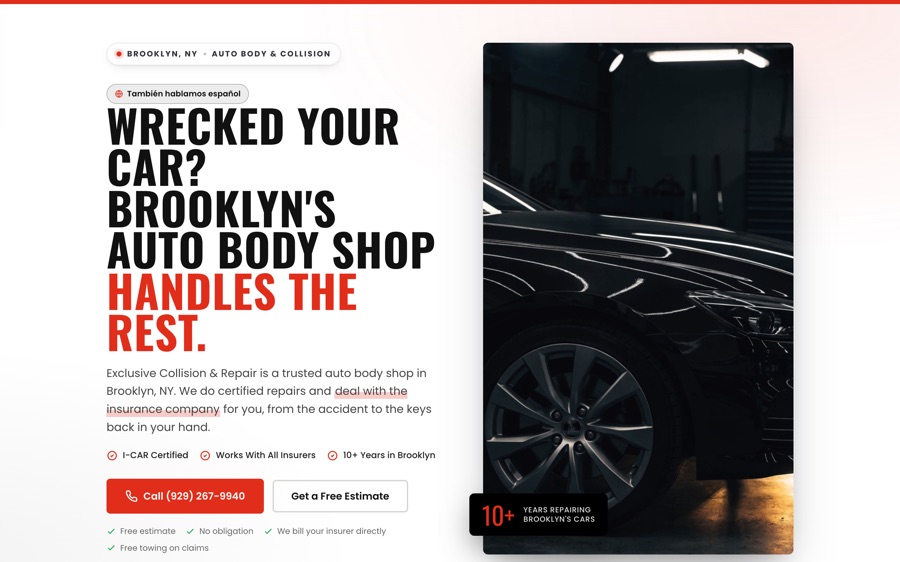
Custom code allows us to get as creative as we'd like to be while also keeping in mind the customers that will visit the page, what words show up to build trust with the reader, and simple ways to get in contact with the shop.
A page for every service. Collision repair, frame and structural work, paint, auto glass, towing and jet ski repair each got their own page, with their own photos, their own questions answered and their own form. That one change gives Google something to rank and a customer something to recognize.
The shop's own photographs. I put real before and after pairs from the bays on the pages they belong to, and wrote alt text naming the car, the damage and the city. Where a service had no usable shot on file, I generated an object shot matched to their own lighting and bays, and kept people out of those.
One form, three destinations. An estimate request emails the shop, sends the customer a branded confirmation of their own, and drops a full copy into the sheet the office already works from. Inquiries live in email now instead of on paper, and when the shop is ready for a real operational system, the records are already digital and ready to move.
A digital Direction to Pay. A Direction to Pay authorizes the insurance company to pay the shop directly, so the customer isn't fronting the cost. It used to be paper on a clipboard. Now the customer signs it on their phone and both sides get the signed copy by email.
Credentials in the open. The DMV registration number, the lifetime warranty on parts, labor and paint, the ADAS calibration and the OEM parts policy all went on the pages where somebody is deciding.
Fast, structured and bilingual. The site opens on a phone with one bar of signal at the roadside, carries the schema that tells search engines this is an auto body shop, and says plainly that the shop speaks Spanish, because a big share of the neighborhood does.
None of this forced the shop to change how it operates. That's deliberate. I fit the tools to the way they already work, digitize what's ready to be digitized, and leave the rest alone until they are. The goal is more business with as little disruption as possible, for a crew whose job is fixing cars, not learning software.

Before we could get started, we needed to understand the competition in the area and whether they were doing any SEO work already. This gave us a starting line. At Another Monday, we're SEO first and design second.
If you want your local SEO to work well, then we need to start with the Google Business Profile. For a body shop the map pack is the shortest path between a wrecked car and a phone call. Categories, service list, hours, service area, and photos of real repairs.
The other half of that profile is reviews, and reviews don't collect themselves. I coached the shop on asking every customer for one and why it matters, because review count and recency are a big part of what decides who shows up above whom in the map pack. When we started working together in February the profile was showing reviews in the 60s. It shows 105 in early August, with 8 added in July alone, and the habit will keep paying long after any single ranking.
where the profile stood in February
early August, with 8 added in July alone
The site work was steady. I rewrote titles and descriptions so each service page leads with the words people actually type, turned the questions the front desk keeps answering into content on the pages, and added photos as the crew sent them over, all while watching Search Console for the queries that were close so the effort went where a page was already near the first page.
One of the next steps is to add Google Ads into the mix. The shop also operates a 24/7 towing service across the tri-state. Learning about the business and its levers is what makes all of this work more effective.
Before proper SEO was done, the website sat stale for many months. Any website can rank for certain key terms, but that doesn't mean Google will show those pages higher than the competition. Once the changes were made, positive changes started to appear and that's what you see here.
search clicks for an auto body client
From 72 to 141 clicks, same shop, same services
the shop's own Google Search Console property, pulled with the command I keep stored next to the number
Last pulled 2026-09-08
organic search clicks only, with direct visits, referrals and paid traffic all counted separately
The window rolls, so this number moves every week
From July 2025 through February 2026 the shop averaged 17 clicks a month. It held right around there for eight months, which is a website sitting still. That's what most local business sites do, and it's why an owner starts to think search isn't worth the trouble.
June 2026 came in at 45. July came in at 49. Same shop, same services, same city. What changed is that every job they sell now has its own page, and those pages have been getting worked on every month since.
Nobody picks a body shop the way they pick a restaurant. The customer has one question in their head, which is whether these guys can make the damage disappear, and a paragraph is a weak way to answer it.
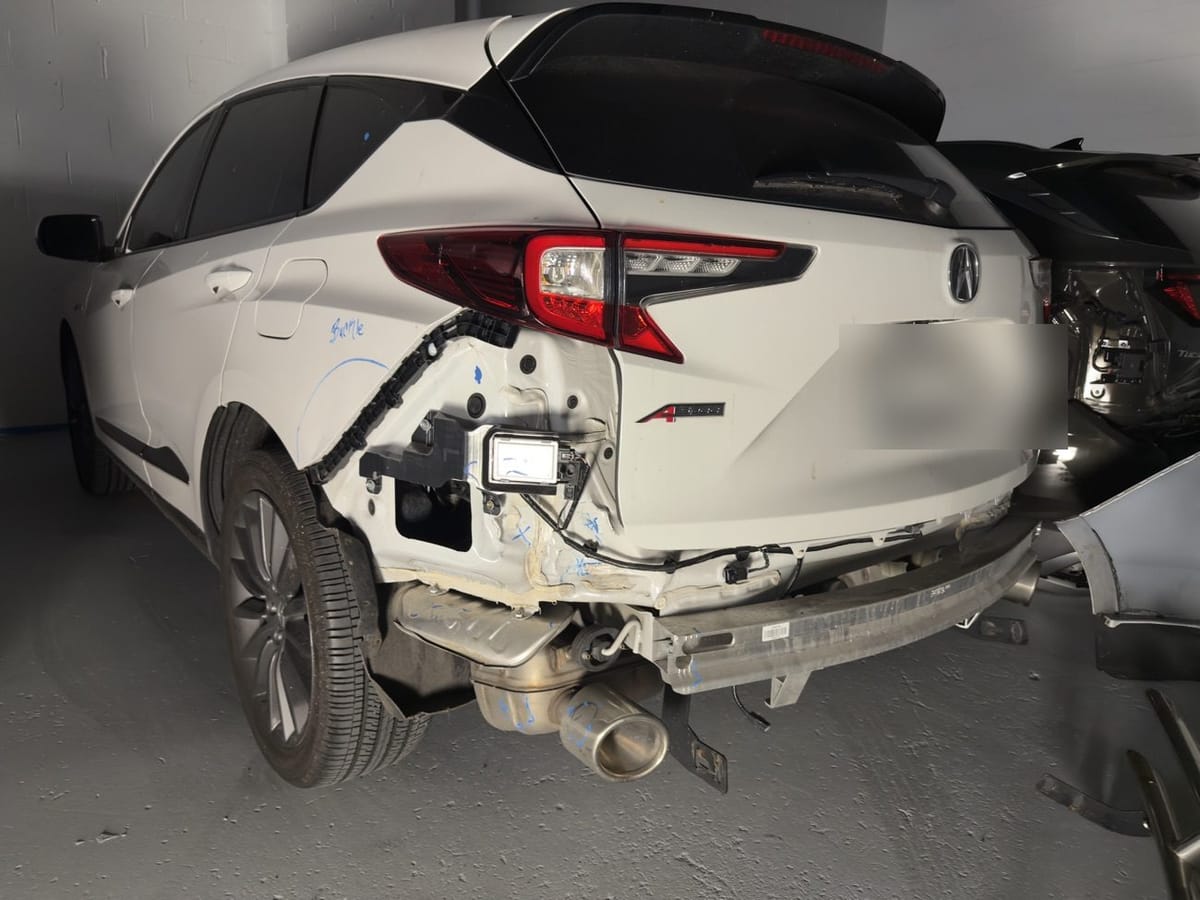
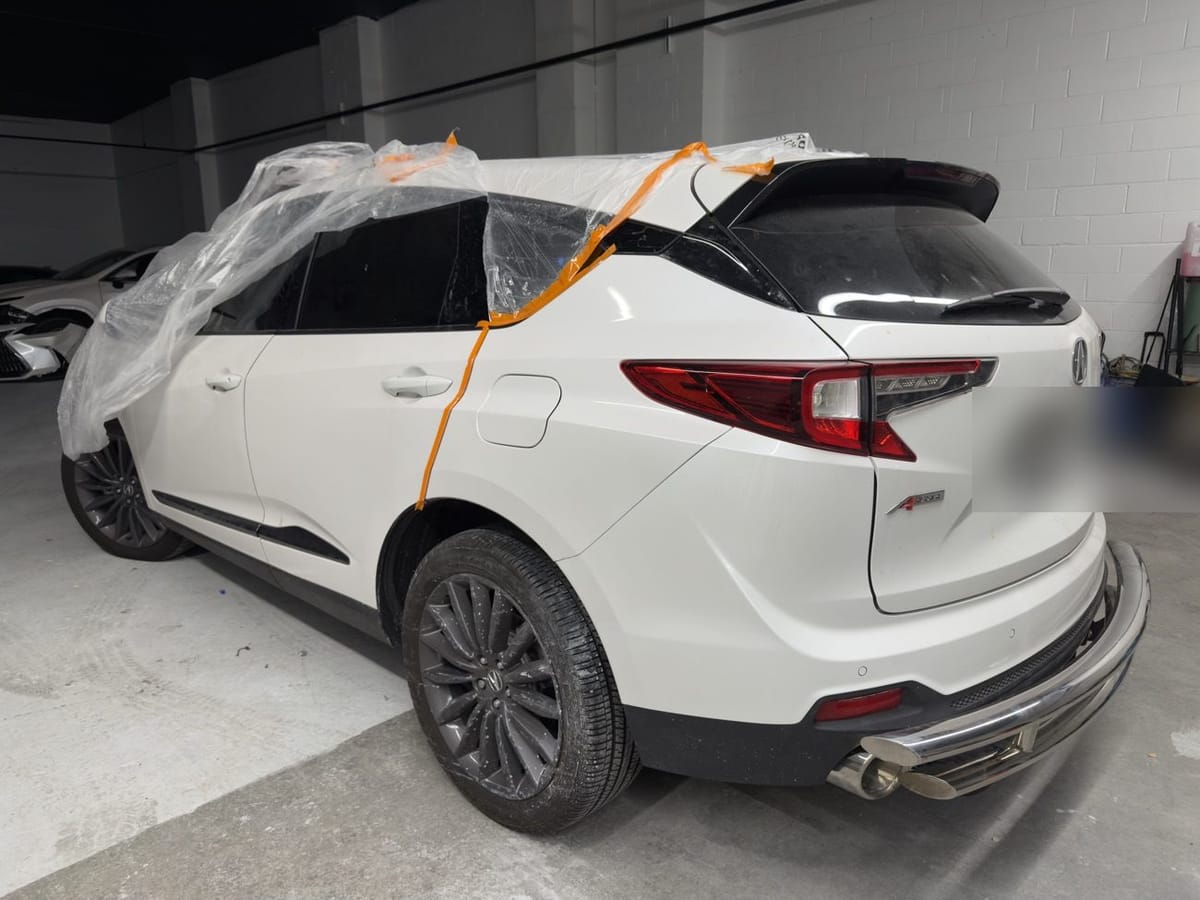
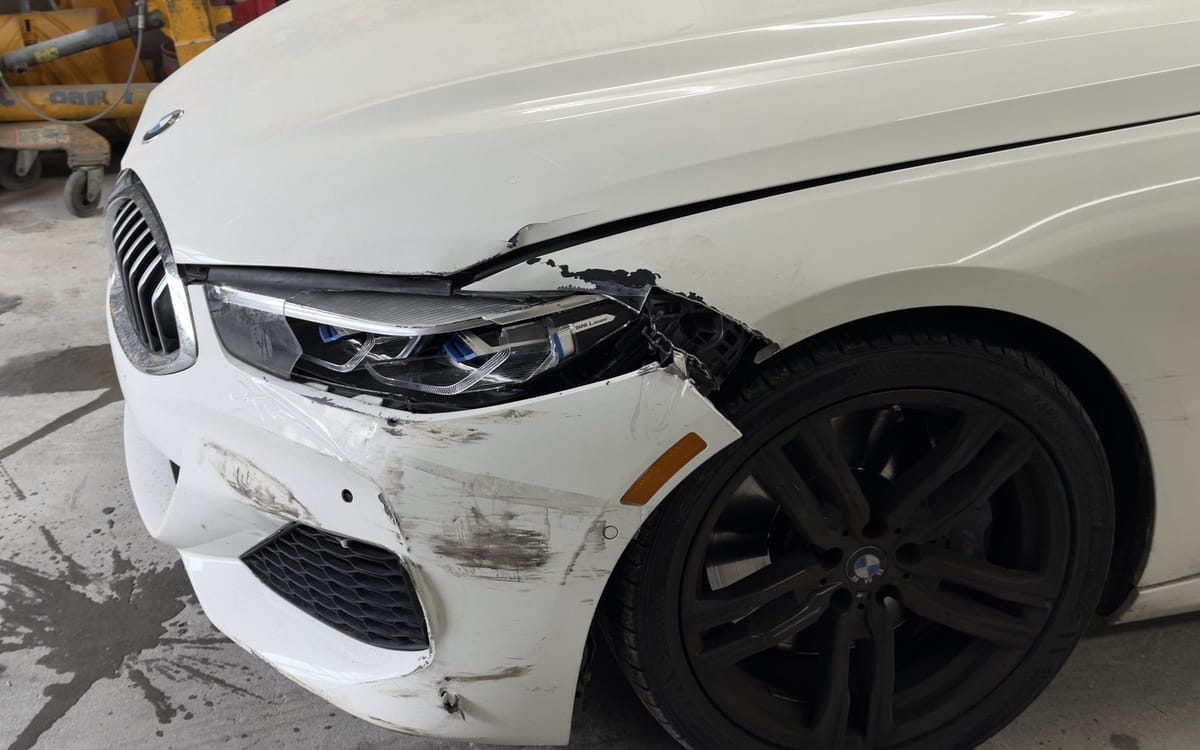
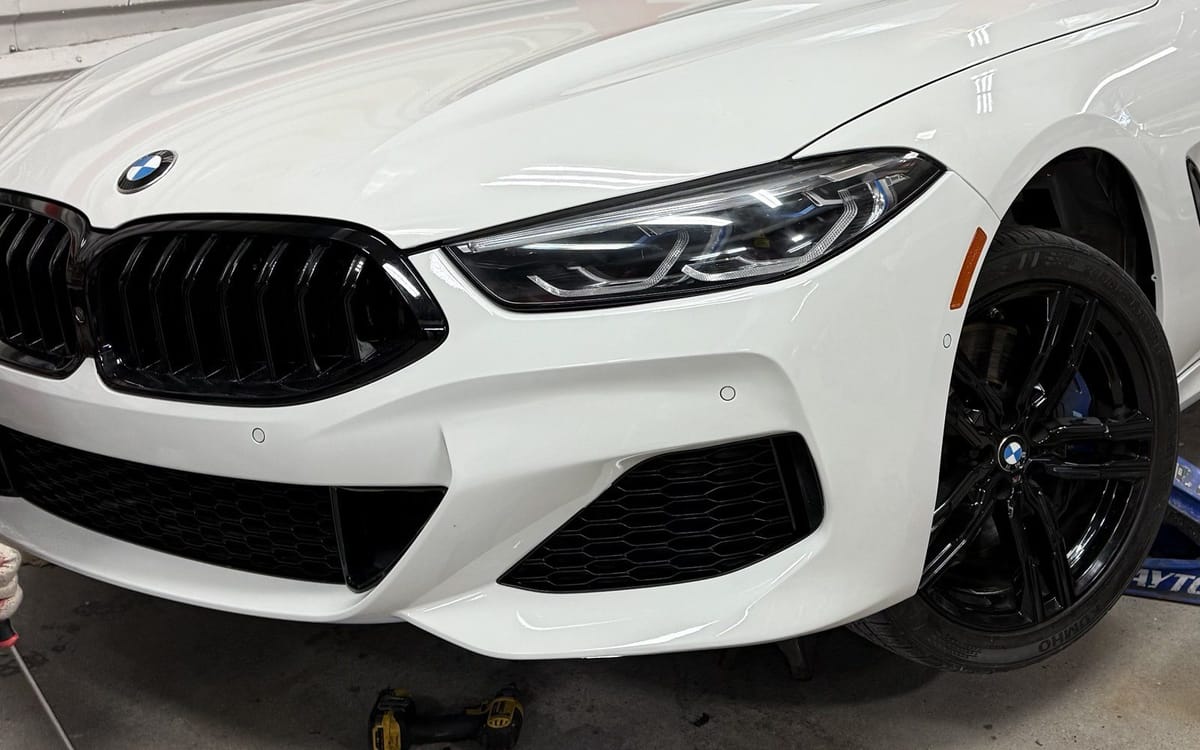
Six things carry over from a Brooklyn body shop to just about any local business with a phone that needs to ring. None of them need a big budget.
If you want this pointed at your own business, it breaks into the same three pieces every time. A website built to get found and to convert, like the rest of the sites I have built. The search work that keeps feeding that website, which is the Baltimore SEO part. Then paid search on top of both. The same three pieces run on a repair trade in appliance repair marketing in Baltimore, where the search data is published instead of summarized.
If you're considering web design by itself, just consider that a pretty website doesn't bring in leads. Proper web design + SEO + conversion optimization joined together is where the magic happens. Let's have a conversation about your business, what your pain points are, and how we can work together to fix it.
These are the questions shop owners ask me, usually standing in a parking lot or on the phone between jobs.
I built Exclusive Collision a custom website with its own page for every service the shop sells: collision repair, frame and structural work, paint, auto glass, towing and jet ski repair. Each page carries its own photos, its own estimate form and the shop credentials, so Google has something specific to rank and a customer has something specific to read at eleven at night.
Search results took months to move here. The figure on this page compares the most recent 90 days of Google Search Console data against the 90 days before it, so what it shows got built up over roughly half a year of publishing service pages and fixing the links between them, while also keeping the Google Business Profile active.
A 2.0x move in search clicks is a big deal for a body shop, because every one of those clicks is somebody typing a repair problem into Google in the middle of a bad week. Body shops close high value jobs off a small number of inquiries, so a swing that size in a market as dense as Brooklyn gets noticed on the schedule board.
An auto body shop needs its own website because New York drivers have the right to pick their own repair shop, and plenty of them go searching before they call anybody. A shop that shows up for those searches gets the first conversation and writes the estimate on its own terms.
Working with me runs $800 a month for Starter, $1,550 for Growth and $3,500 for Scale, and I build the website inside the plan. Ad management starts at $500 a month per channel and steps up with the size of the account, and the ad budget itself is billed by the platform directly to you with a $30 a day minimum.
Auto body shops in Brooklyn are one slice of it. I live in Baltimore and I work with local businesses across Baltimore, Washington DC and the rest of the country. A body shop makes a useful example because the market is dense and the searches are competitive, and the same pattern carries over to a venue, a repair company or a private practice.
A body shop estimate form stays clean by filtering out the bots and vendor spam quietly, before any of it reaches the shop, and without ever putting a puzzle in front of a real customer. The shop gets real inquiries in its inbox instead of digging them out of junk.
The numbers in this case study can be checked. The click figures come from the shop's own Google Search Console, pulled 31 July 2026, and the review counts come straight from Google. Every figure on the page carries the window it covers, and when a number goes stale it comes off the page.
More operator playbooks from The Marketing Department.
The setup guide: domain email, MX records, moving your old mail across without losing it, and which plan to pick.
Bought as a one-time project, a small business website usually runs $3,000 to $10,000. What the big ranges leave out is that it goes on costing you long after the project ends.
From someone who runs both channels for the same local businesses: real costs, real timelines, and the decision rule that picks between them.
Send me what you have now. I'll look at it the same way I looked at theirs.
Last 90 days, across the sites and Search Console/GA4 accounts Another Monday manages. Figures as of August 2026.
Book a free 30 minutes with me. I've run a local business myself, and you'll leave with a real plan whether you hire me or not.
¡También Hablamos Español!