
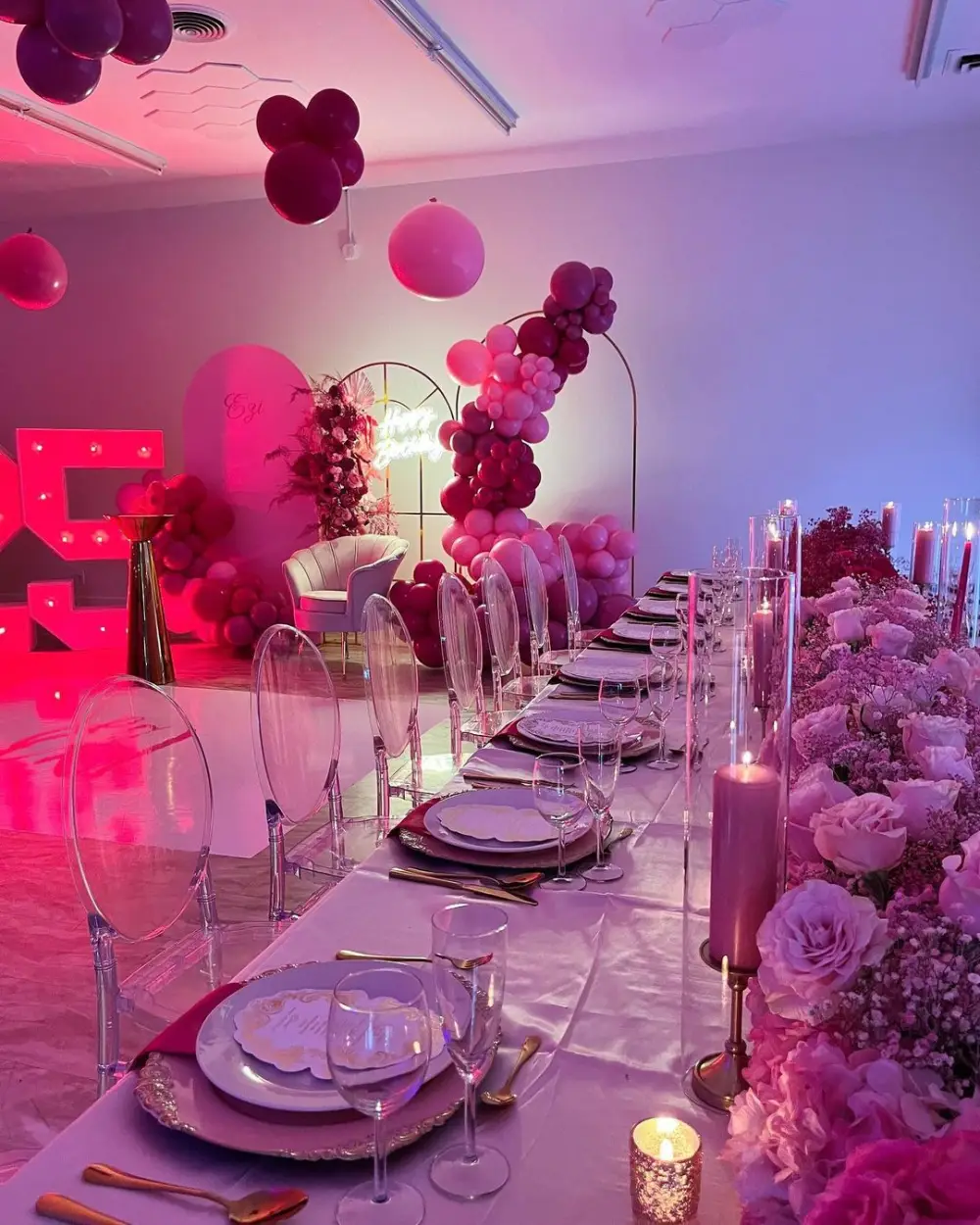
Proven on my own venue Event Venue Marketing: From Empty Space to Booked Solid
Most venue owners are great hosts running an invisible business. I built Studio 87, my own event space in Dundalk, Maryland, and grew it to 380+ bookings with SEO leading the charge. What follows is the playbook I used.
What is event venue marketing?
Steal the playbook and run it yourself, or hire me to run it for you. Either way, you should know exactly what the work is.
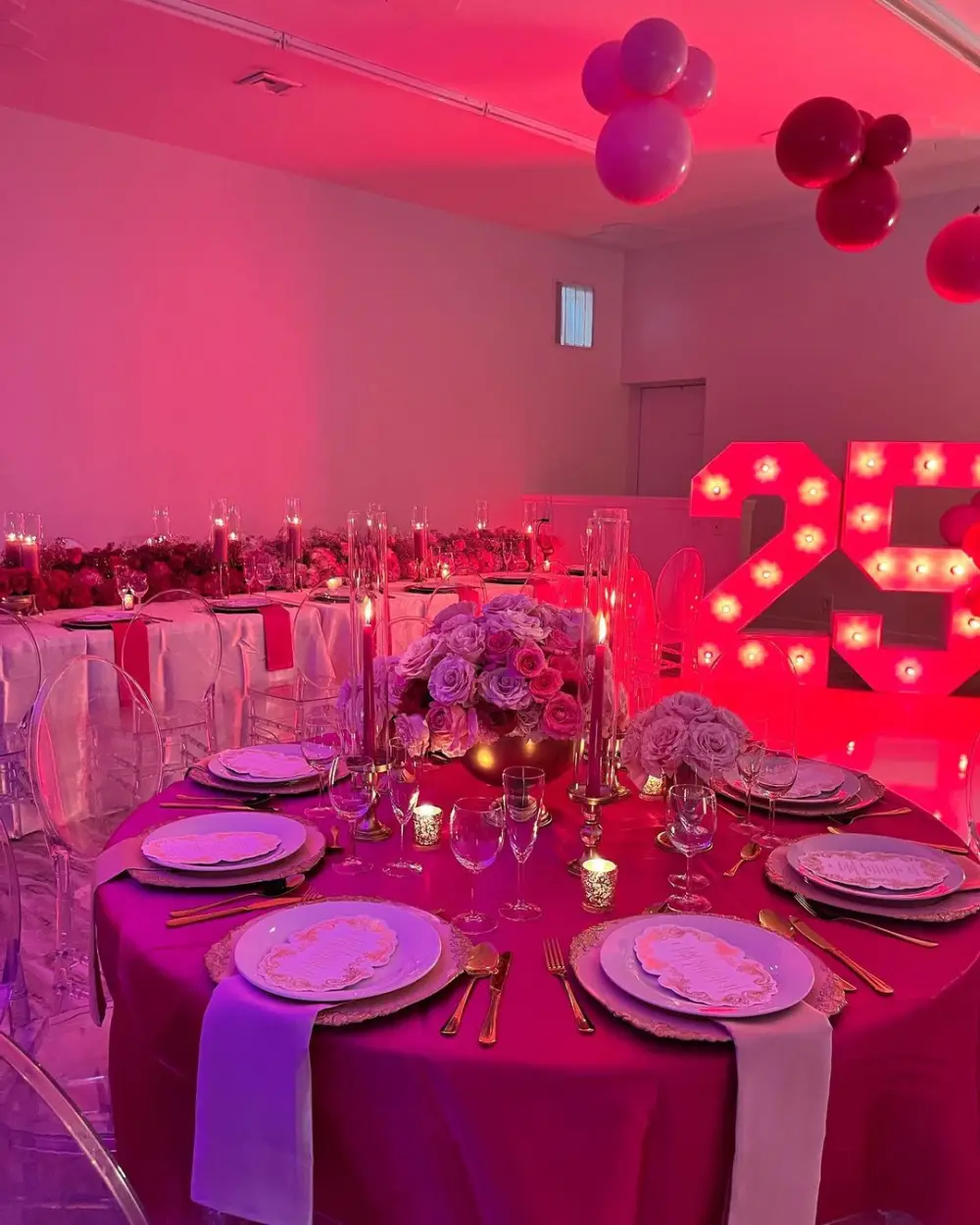
Event venue marketing is the system that puts your space in front of people actively planning an event, then turns their search into a tour, an inquiry, and a booked date. It covers your venue website, local SEO, your Google Business Profile, reviews, social media, paid advertising, and how you follow up with leads once someone finally reaches out. Digital marketing sounds abstract until you watch it fill a Saturday.
Owners sometimes call it event marketing, and marketing an event is a different job from marketing the space that hosts events. I do the second one.
Why a gorgeous room still sits empty
The mortgage doesn't care whether Google knows your venue exists. Plenty of owners open a gorgeous room, wait for weddings and corporate events to roll in, and spend month three staring at an empty events calendar while the only inquiries trickle in from a marketplace that takes a cut of every booking. What they have is a visibility problem.
People in your city search for a space every single day. Birthday parties, baby showers, corporate retreats, engagement parties, weddings, workshops. Different events, but they all start the same way, with a search. Event planners do the same thing with a spreadsheet open. The venues that come up in those results get the tour request.
Empty dates don't roll over. The rent still comes due.
I ran this playbook on my own venue first.
In 2021 I signed a lease on a raw space in Dundalk, Maryland and called it Studio 87. Keys in September. Open by October. A brand-new domain, an empty review page, no visibility in search engines, and rent due either way.
So I built the engine myself, late nights included. A fast venue website picking off the core phrases people type when they need a space. A Google Business Profile loaded with photos before the paint dried. An automated review request after every event. Short videos documenting the buildout from bare concrete to the first wedding reception, so by the time the doors opened, search engines already had something to rank and locals felt like they had walked the property.
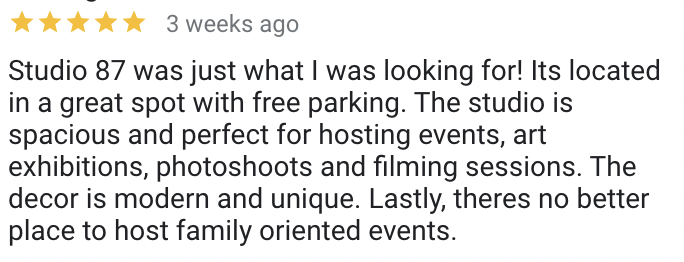
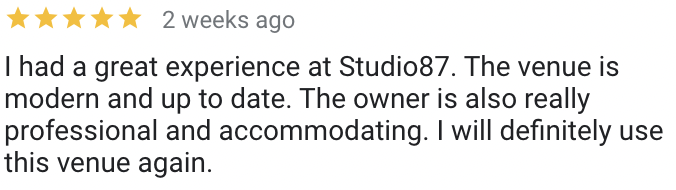
It worked. The room cleared $100K in its first year, and over the three and a half years I ran it Studio 87 passed 380 bookings and 250 five-star reviews, with search doing the heavy lifting while lean paid ads amplified what was already working. The full Studio 87 business plan has the channel-by-channel numbers.
bookings at the venue I owned and ran
five-star reviews earned from real guests
first-year revenue, with SEO leading the charge
Three of those reviews, straight from the Studio 87 Google profile.

I definitely know your importance in my business growth, and I'm just so glad that I have the opportunity to talk to somebody like you that is so focused on making sure I make it.
Owner, event venue we handle SEO for
The same engine runs for the other venues I work with, one on organic search and one on the paid side, so what an owner gets from me is a plan I've already run against my own calendar.
I didn't study this playbook. I paid rent with it.
Event venues we have worked with





The six-part engine behind a full events calendar.
Every venue marketing strategy we build shares the same skeleton. Each part is unglamorous alone, and together they compound into more bookings than any single channel delivers by itself.
A venue website built to rank
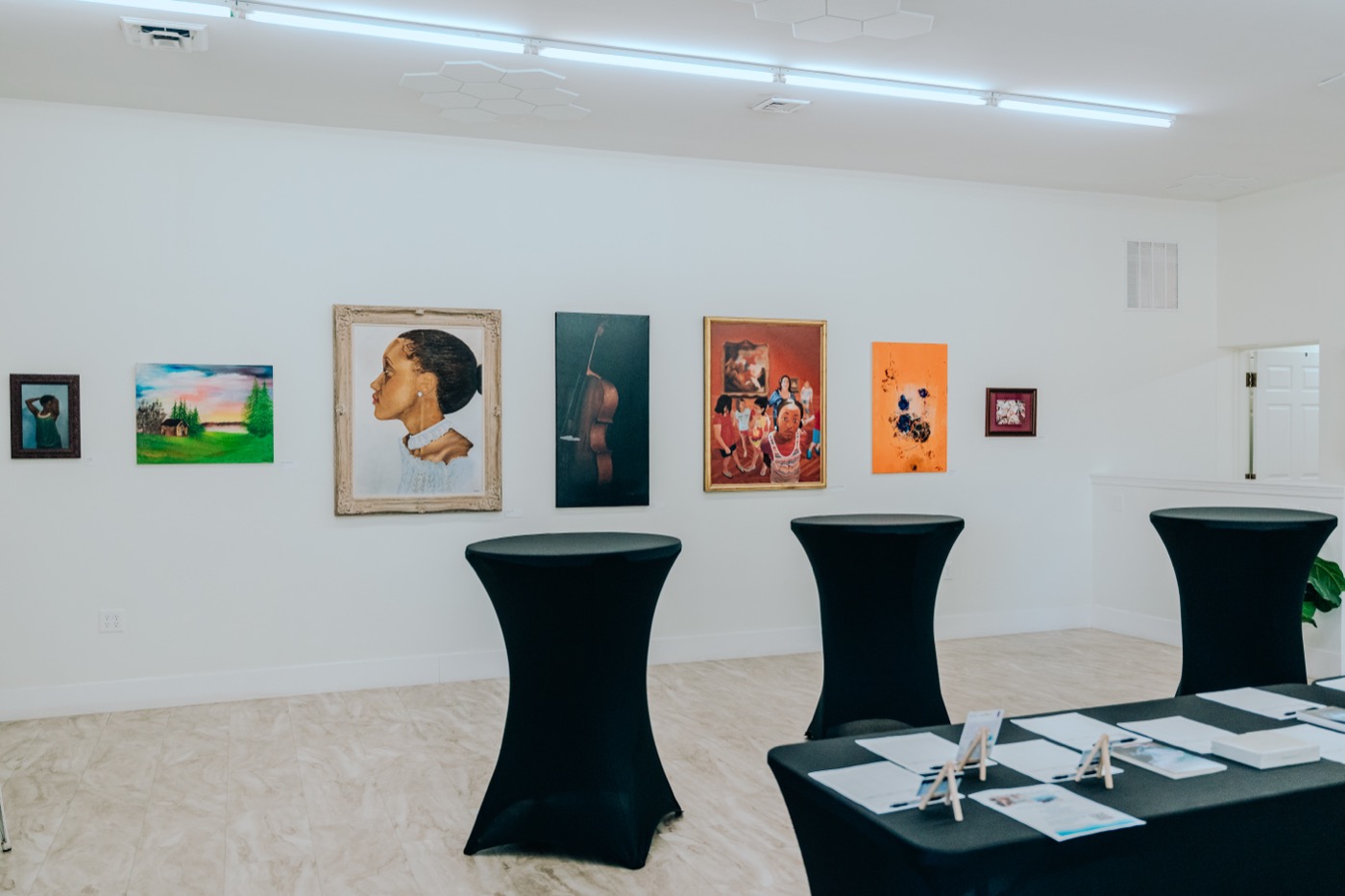
Web pages that load quickly, high quality photos of real events, clear pricing, capacity, layouts, and an inquiry form a planner can finish on a phone. Your website is the first impression most planners get of the room, so we build it to rank and to convert.
Local SEO foundations
We optimize your Google Business Profile (what many owners still call Google My Business), clean up every business listing and the venue directories that matter so your venue online presence says the same thing everywhere, and point search engine optimization at the specific keywords planners type. That's how local venues outrank national platforms in their own city, and how search engines and planners find the same information: location, hours, photos, rates, amenities.
A review engine
A polite, automatic request after every event, and a reply to everything that comes in. We follow Google's best practices to the letter, which rules out incentives of any kind. Reviews from other clients are the social proof future customers use to build trust before you ever meet.
Social media and video
Short videos of real setups and decor to showcase your venue in motion, the kind of thing people love to share. Instagram and Facebook reach couples, LinkedIn reaches corporate event planners, and a walkthrough on YouTube keeps selling while you sleep. Local hashtags and location tags cost nothing, behind the scenes room-flip videos draw attention and increase engagement, and social media followers stay warm long before they inquire. Every post links back to the page where a planner can send an inquiry.
Paid ads, tightly targeted
Google Ads aimed at the right audience, people actively searching for a venue, plus retargeting for people interested enough to browse but not book yet. Paid advertising amplifies a system that already works, which is why we run it alongside the other five parts and never on its own.
Systems and follow-up
A CRM that replies fast, prevents double bookings, and helps you manage events end to end, whether you've got staff or it's just you. Email campaigns keep past clients warm for repeat business, and a saved inquiry history means nobody asks a planner the same question twice.
Search is the compounding channel, the one that kept Studio 87 booked, so I broke that whole discipline down in the guide to SEO for event venues. Paid reach is the fast lane: start with our field notes on event venue advertising, then let our Google Ads agency in Baltimore build campaigns around search terms with booking intent, refining the keywords and fine tuning the targeting as the data lands. Social advertising stays cheap for retargeting, and the rest of the digital advertising budget goes where the data points.
The follow-up matters as much as the traffic. We set venues up on HoneyBook CRM for inquiries, contracts, invoicing, and automated review requests, the same tool that ran Studio 87 from first tour to final payment, and an AI chatbot can catch the late-night questions.
Who books an event space?
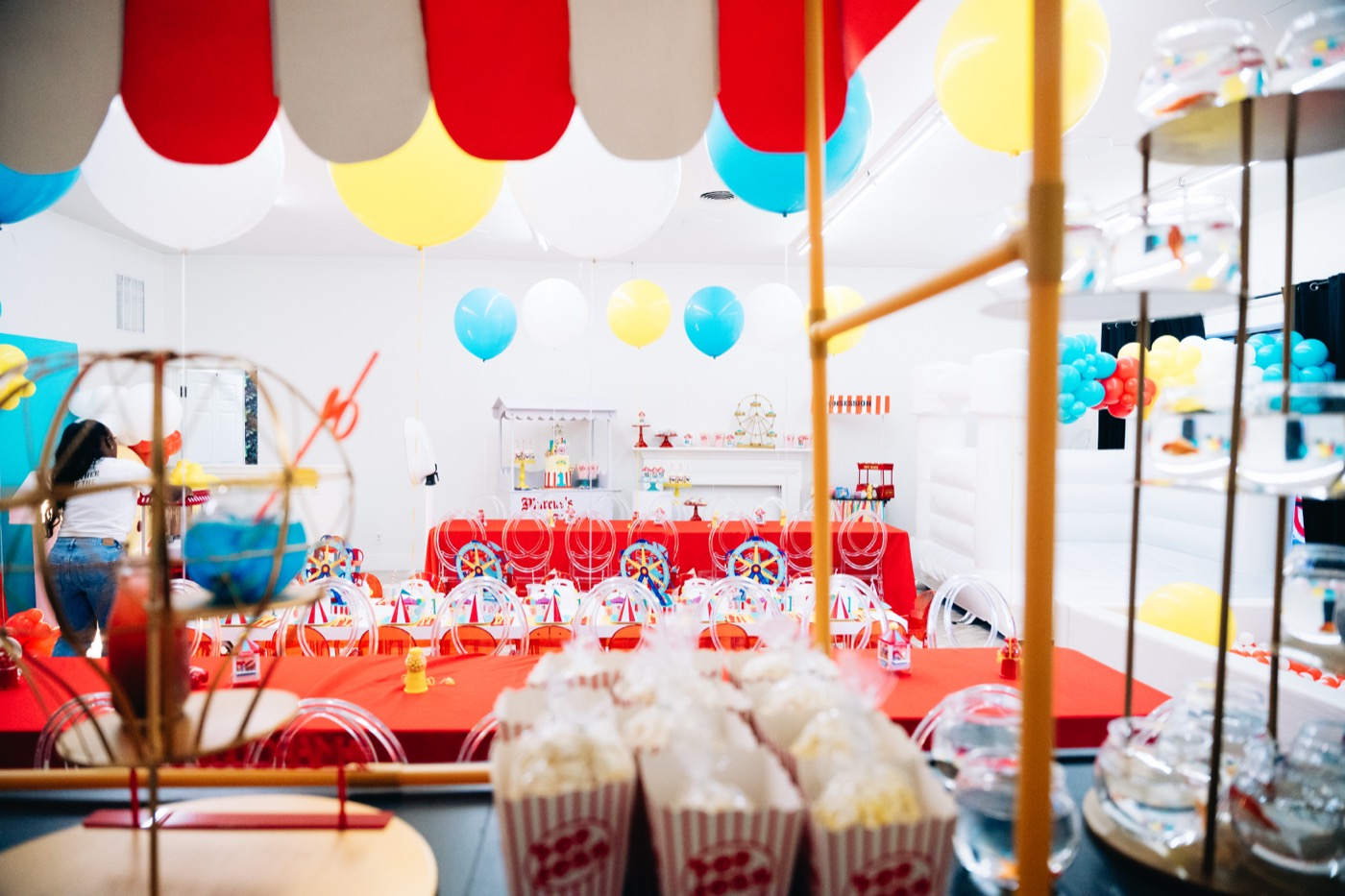
What looks like one audience is really four or five, weddings on one end and corporate events on the other, and the marketing scatters when you aim at everybody. A couple shops nothing like an event planner, and neither shops like the neighbor booking a sweet sixteen. Pick the audience your space actually fits, name what makes the room right for them, and tailor both the message and the platforms to how those people search. Win one audience first, then broaden.
Couples and wedding planners are their own discipline, so if weddings carry most of your calendar, the deeper playbook lives on our dedicated wedding venue marketing page, built for that audience specifically.
Be the venue that shows up when the search starts.
Event space marketing ideas that fill slow dates.
These are the event venue marketing ideas we reach for first, the ones that increase bookings without increasing the budget, pulled from the venue marketing strategy that worked when it was my own rent on the line.
Offer a virtual tour
A 360 virtual tour is the next best thing to walking the property in person, and it has become essential for out-of-town planners. Busy event planners short-list on their phones at midnight, so virtual tours let them screen rooms before they book a single site visit. Early in event planning, people compare rooms online, so let potential clients spin through the space in a browser, check the dimensions, and imagine their own setup before they ever send an inquiry. I added one at Studio 87 to cut down the number of in-person walkthroughs I had to schedule.
Partner with local vendors and planners
DJs, caterers, photographers, florists, and wedding planners talk to your exact audience every week, which makes vendor partnerships a powerful way to borrow trust. Collaborate on a styled shoot, split a professional photographer, share each other's content, print co-branded promotional materials, and build a referral program that makes sending you potential clients worth their while. Show up at local events, join the vendor groups, and network like the event professionals do, because the event planning community shares favorite spaces constantly.
Own your email list
Email marketing is the one channel you own outright, and it stays the cheapest one you'll run. Send short, relevant email campaigns to your client base and open inquiries, publish planning guides for the event types you host, add light personalization, and drop occasional special offers to sweeten the deal on weekday dates. Send a thank-you note after every booking, and keep the sending schedule regular enough that people remember the room without hearing from you every week.
Price the slow days differently
Corporate planners and nonprofits will take a cold January Tuesday if the rate makes sense. The smart play is strategic pricing that addresses the gaps head-on: a weekday package suited to workshops, a half-day rate, an off-season incentive you extend to organizations that plan events quarterly, a story highlight where the promotion lives. Experiment, appeal to the people with weekday freedom, and publish the weekday rate so planners can compare it without emailing you.
Publish content planners search for
Planning guides, honest pricing posts, real event recaps, video testimonials, decor trends and themes, an ultimate guide to hosting a baby shower in your space. Write for what planners search and the post keeps earning attention long after the party ends. Cut short-form content from every setup and let each event market the next one; a few strong pieces do more than a constant stream. One habit that saves headaches: get written permission for photos, a one-line consent in the contract, so usage rights never get awkward.
Be everywhere your name gets checked
Venue directories and listing platforms are a marketing channel in their own right, and each one is a piece of the online presence planners judge you by. Platforms spend millions on ads, and you borrow that traffic when you list, so use them for more exposure, then capture the relationship on your own venue website, where no commission applies. Planners and potential customers cross-check you on Google, Yelp, Tripadvisor, and the wedding directories before they inquire, and one business listing that contradicts your site costs you the tour. Keep photos, pricing, selling points, and contact details consistent everywhere to maximize visibility.
A system that compounds beats a budget that grows.
Where venue bookings come from.
Every channel has a job and a speed, and each one catches people at a different point in the decision. Once you know which is which, you stop expecting the slow channels to pay this month and you stop treating the fast ones as a foundation.
| Channel | The job it does | How fast it pays |
|---|---|---|
| Local SEO + Google Business Profile | Puts your venue in front of people actively searching in your city | Builds over months, then compounds for years |
| Google Ads | Buys the top of the search results while your SEO matures | Inquiries can land the first week |
| Social media + video | Builds familiarity and trust before anyone searches | Steady growth with consistency |
| Email marketing | Turns past clients into repeat business and referrals | Immediate, if the list exists |
| Listing platforms | Extra visibility that fills calendar gaps | Fast, minus a commission per booking |
| Word of mouth | Guests telling friends, the strongest close in the events industry | Unpredictable alone, powerful when fed |
Potential clients rarely arrive through a single door, so a venue marketing strategy that works runs three or four channels together and gives the compounding ones time to build. And if you're still stress-testing the business model itself, our breakdown of are event spaces profitable walks the income math with real venue numbers.
What it costs, in plain English.
Marketing an event venue should come with a number attached. One monthly plan covers the channels above, and the venue website gets built inside it.

Whatever rate you land on, all of this is included:
- Google Business Profile management and optimization
- A Google Business Profile post with every new page
- Citation publishing across the directories that matter
- AI search optimization (AEO and GEO) on every page
- Conversion optimization that turns SEO traffic into calls
- A custom built website on your brand that loads fast
- Automatic replies to your Google reviews, handled for you
- A custom built analytics dashboard you can open any time
- A monthly video walkthrough of the work, in plain English
- A direct line to me for strategy and operations help
Now you're into a real growth phase, month over month.
What it has to earn back
The plan is an investment, so the only question that matters is how many jobs it takes to cover it. Work it out with your own numbers.
Break-even only, at the rate the slider is showing. Anything past that is margin, and a customer who comes back is worth more than the first job suggests.
If none of these numbers work for where the business is right now, tell me on a call. I'd rather put together something smaller that actually fits than lose the conversation over a number.
Ad budget is separate and goes straight to the platform, never through me.
A new venue website gets built inside the plan, never billed as a separate project, so you'll know your exact number before we start. Every plan's full scope lives on our full services and pricing page. Some owners just want the awkward questions answered first, and that's a fine place to start too. Call 410-999-0169, or send a text if that's easier, and I'll help you read your market either way.
You should know the price before the pitch.
Questions venue owners ask us.
Most of these I asked myself first, back when I was the one running the room.
What is event venue marketing?
Event venue marketing is the system that gets your space found by people planning an event, then turns their searches into tours, inquiries, and booked dates. It covers your venue website, local SEO, your Google Business Profile, reviews, social media, paid ads, and the follow-up after someone reaches out.
How do I market my event venue?
Marketing an event venue means running six channels that feed each other: a venue website built to rank, local SEO with a complete Google Business Profile, a steady review engine, social media and video, tightly targeted paid ads, and a CRM that answers fast. Search is the piece that compounds, so I start there and let the faster channels carry bookings while it builds. That combination is how I grew Studio 87, my own venue in Dundalk, Maryland.
How do I start marketing my event venue with no website traffic?
With no website traffic yet, local SEO is the first move, because it compounds while everything else runs. Claim your Google Business Profile, load it with real photos, and launch a simple venue website that targets the exact phrases people in your city type, so they find you ahead of the big directories. You raise your chances of showing up before you spend a dollar on ads.
How do I get direct bookings instead of relying on listing platforms?
Direct bookings come from owning the relationship before a listing platform does. Build search visibility so planners find your venue website first, retarget the visitors who browse without inquiring, and get on camera talking about your space so people trust you before the tour. Give planners a reason to book direct, then respond quickly when they do. Listing platforms are useful for extra reach while your own website stays the foundation, since every booking there carries a commission.
Do I really need paid ads, or is word of mouth enough?
Word of mouth brings a venue real bookings and you can't schedule it. Paid search gives you reach you can plan around, because your ads only show to people searching for a space like yours. You can promote your venue free on social media all day, and you should. Reviews and rankings stick around while ads stop the day the budget stops, so a small referral program keeps referrals moving while search builds.
How many five-star reviews does an event venue need?
An event venue doesn't need to hit a specific review count, and a steady pace matters more than a burst. Host one event a week and ask for one review a week. Reviews are a ranking signal and a credibility signal, so reply to every one of them, good or rough. One rule: never trade gifts for reviews. Google's best practices ban incentivized reviews, so ask honestly with a direct link after every event at your venue.
What's the fastest way to fill weekday dates?
Weekday dates fill fastest when you price them differently and aim them at a different audience. Corporate planners, nonprofits, and workshop hosts will happily take a Tuesday if the rate makes sense. Segment your email list by event type, send a weekday promotion to past clients, and point a small campaign at the local businesses around you. Aimed at the right clients, you fill the gaps without a blanket discount and your Saturday rates stay where they are.
How do I track which marketing channel actually booked the event?
Tracking which channel booked an event comes down to tagging every link and asking every lead. UTM parameters on your ads and social links feed your CRM and Google Analytics, and a simple 'how did you find us?' question on the inquiry form catches the rest. Read it monthly. A few months of honest lead tracking will show you which channels bring in new business and which ones are only costing you time.
Can a small venue compete with bigger spaces and bigger budgets?
A small venue can compete with bigger spaces and bigger budgets, and Studio 87 is my proof. My own venue ran on one owner and one virtual assistant, and it outranked larger competitors because search rewards relevance and consistency more than spend. Your advantage is focus: a well-optimized Google Business Profile, real reviews, and a niche worth owning beat a big budget pointed at a neglected listing.
How long until event venue marketing shows results?
Event venue marketing pays off at a different speed on every channel. Paid search can land inquiries the first week it runs. Local SEO builds over months and then compounds, which is why I start it immediately. Reviews strengthen your rankings as they stack up. Nothing is guaranteed on a single channel, so we run the mix and let the fastest ones carry the early load.
How much does event venue marketing cost?
Event venue marketing plans start at $800 a month, and the one most venue owners land on is Growth at $1,550. A new venue website gets built inside the plan, never billed as a separate project, so you'll know your exact number before we start. You also get plain-English reports every month, so you can see what you spent and what it produced.
Do I need an event venue marketing agency, or can I do it myself?
Event venue marketing is something you can absolutely run yourself. I did it myself at Studio 87, late nights and all, and this page hands you the playbook with the research already done. The honest challenge is time more than knowledge, because six channels can feel overwhelming next to a wedding weekend. Owners usually hire me once the DIY engine works well enough that their own hours become the bottleneck.
What should an event venue website include?
An event venue website needs everything a planner requires to say yes without calling you. High quality photos of real events, clear pricing or at least a starting rate with tiered packages explained simply, capacity and layouts, amenities and scenic views if you've got them, client testimonials, a virtual tour that lets planners picture the room, and an inquiry form that takes under a minute on mobile. Add a homepage that answers who, where, and how much, and keep the whole thing easy to navigate on a phone. Compress the photos too, because a slow gallery sends planners back to the search results.
Gaps in the calendar?
Tell me about the room and how people find you now. I filled my own venue this way before I did it for anybody else.
- 450K+ search impressions across the sites we manage
- 5,800+ organic search clicks across the sites we manage
- 600+ leads and booking requests across the sites we manage
Last 90 days, across the sites and Search Console/GA4 accounts Another Monday manages. Figures as of August 2026.
Ready to fill the calendar?
Book a free strategy session and we'll walk your market together: what planners search, where your venue shows up, and which gaps are costing you bookings. We like Mondays so you can hate them a little less.
¡También Hablamos Español!