
Budgeting
The Small Business Marketing Budget
What marketing should cost, in real monthly numbers: by channel, by approach, and by what you're free to skip.
The Marketing Department · By Willis Aybar
The importance of customer service in marketing is simple to say and easy to ignore: for a local business, the way you treat people is the marketing. I learned that running my own shops before I ran an agency, and it's the cheapest growth lever most owners never pull. Every interaction can become a referral, a review, or repeat business.
Ever walked into a business, spent your money, and left feeling invisible? That gap right there, the lack of any real connection, is the exact reason so many small businesses miss out on repeat customers. They treat the moment like a transaction instead of what it actually is: an interaction.

I am Willis. I run Another Monday, a Baltimore marketing agency, but I didn't start in marketing. I started with a camera, grinding as a photographer for over 15 years.
Since then I have owned and operated several service-based local businesses, then took that experience into the client work at Another Monday, helping business owners generate leads, reviews, and real momentum. Across all of those businesses I consistently earned five-star reviews, not just by doing great work, but by making people feel like they mattered. None of it was a gimmick, it's everything I learned running my own.
Proactive customer service starts at the top. You, the owner, set the standard by giving your own customer service team the same care you want them handing to customers, and by showing them how it is done. That's what I did with every team I worked with, whether it was one person or five.
We treated new and existing customers like they were the whole reason the lights stayed on, because they were, and we solved their problems while making them feel welcome doing it. Your customer service is your marketing, whether you planned it or not.
Every interaction is a potential customer for life. Look at it that way and you naturally drift toward excellent service, because assisting customers stops feeling like a chore and starts feeling like the point. Happy customers mean better business performance no matter how you slice it.
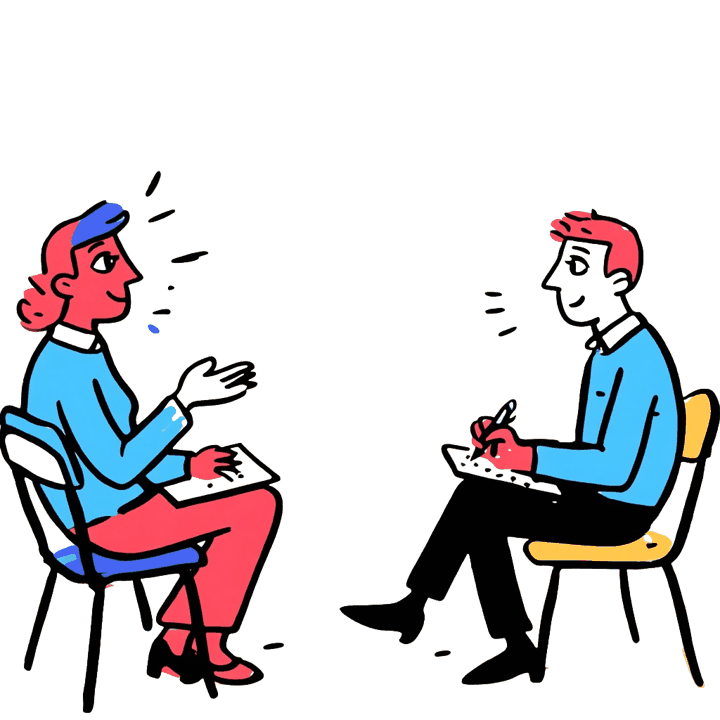
Every touchpoint is a brand impression, and every one of those customer interactions shapes what people think of you, whether you manage it or not. Someone calling your business, stumbling onto your website, walking into your storefront, or replying to your DM is forming an opinion in real time, often the one moment they decided to give you a shot. Treat it like it doesn't matter and you quietly tell people they are just a number, and that's the story they carry to the next person.
As AI makes it easy to automate everything, the human touch becomes the thing that stands out, and it's where you actually win someone over. Genuine care is how you make people glad they chose you, the kind they don't forget, and it's how a first-timer becomes someone who comes back.
"Customer service should not be a department. It should be the entire company." That line from Tony Hsieh, the late CEO of Zappos, is the whole philosophy in one sentence.

Personalized customer service is easiest for a local small business, because you meet or hear from your customers directly. That direct contact is the best customer service channel there is. From building a brand-new relationship to simply delivering exceptional service, it all starts with the person on the other end of the line or the other side of the checkout counter.
Good customer service is also the cheapest growth channel you own, and it's an edge competitors can't just copy. It wins new customers through the people who already trust you, and it keeps the ones you have coming back instead of drifting to a competitor. That feeling is what gets repeated at a dinner table, dropped in a group chat, and typed into a review.
If you want organic growth, referrals, and five-star reviews, stop filing customer service under post-sale support.
Move it to the front of your marketing efforts, where it belongs.
Then audit the basics: are your automated messages warm, helpful, and human, or stiff and generic? Is your follow-up personal or copy-pasted? And ask your team the question that reframes the whole job: how do we delight people?

I once walked into a flower shop with $30 and no plan. Instead of pointing at the pre-arranged bouquets and brushing me off, the florist smiled and asked, "What kind of vibe are you going for? Something soft like that one, or bolder like this?" I told her I only wanted to spend $30, and that it wasn't a special occasion, just a "because I felt like it" kind of day.
Five minutes later she had built a beautiful, personalized bouquet that made me feel like I mattered. She didn't have to do any of that. She did it anyway, and I have gone back multiple times since, and that's marketing.
One small act of good customer service did four things for that shop at once, and it cost her nothing but attention:
01
They got repeat business from me, and if their five-star reviews are any sign, from plenty of other customers too.
02
She didn't spend a dollar chasing me down. Keeping a customer this way costs far less than going out and finding a new one, and she never had to run an ad to do it.
03
One $30 walk-in turned into a customer who kept coming back. Add up those visits over the years and five minutes of care becomes real money.
04
She earned a customer for life and something her rivals can't just take, because being genuinely human is hard to fake.
It's simple, but it's most of what any of us want: to feel seen, remembered, and valued.
Do that consistently and you earn loyalty almost by accident, and loyal customers are cheaper to keep than new ones you have to go find.
When was the last time a business used your name in conversation, or remembered a detail you mentioned in passing? That's more than manners. Hearing your own name lands differently than any other word, and your customers feel it the second you use theirs.
Dale Carnegie put it plainly: "A person's name is, to that person, the sweetest and most important sound in any language." Use that.
Big brands and corporate franchises don't move the way you do. They have red tape, rigid policies, and people who sometimes would rather be anywhere else. You can adapt in real time, read customer needs on the spot, and leave an impression a chain never could.

By mapping out the customer journey and building simple systems around it, you can deliver outstanding customer service at every step, from the first hello to the follow-up text.
Barbershops and salons live and die on word of mouth more than almost any other local business. A barber or stylist gets real one-on-one time with every client, and that same client is the one who tells a friend where to get a fresh cut before a wedding or a job interview. Meet their expectations and you don't just keep that client, you keep everyone they send you.
And it all starts at first contact: the moment you answer the phone, the text, or the DM. That's the moment someone decides whether you're worth recommending, before they ever sit in the chair.
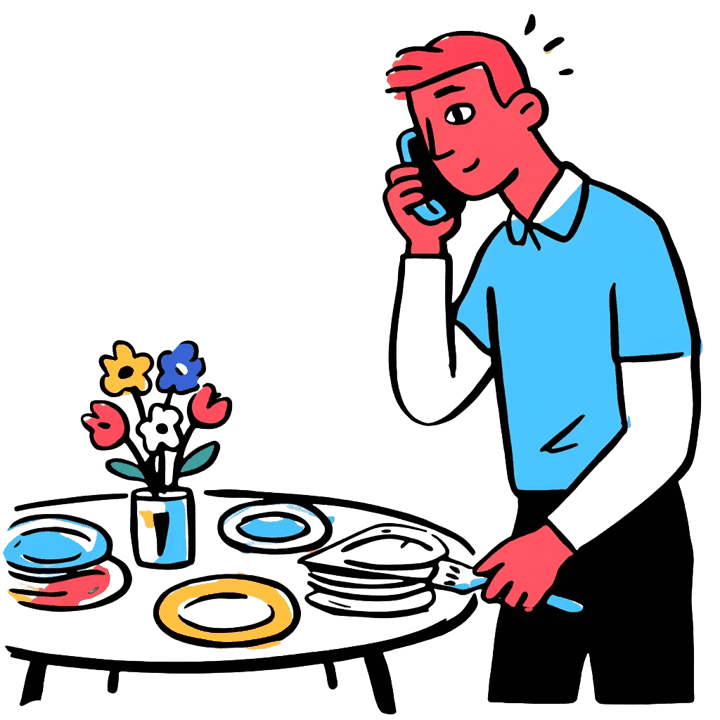
I worked with a barbershop that had solid cuts, a good space, and great barbers. But the phone greeting? Just "Hello." All the warmth of a dial tone, nothing like "You've reached Barbershop Name, how can we get you looking sharp?" The greeting didn't match the experience waiting inside, and that kind of disconnect can cost you a booking, plus everyone that first caller would have told, before the client ever walks in.
I explained the gap to the owner, we put a genuinely welcoming greeting in place for whoever picked up the phone, and we fixed their marketing with a single sentence, one that gave people a first call worth repeating to a friend.
Remember, the people reaching out to your business don't have to. They can find almost anything online. They could have searched a different shop or called anywhere else, but they called you.
Make them feel like that matters, because it does. The cheap details are the ones most competitors skip, and they're exactly what turns one booked chair into the next referral.

Most forgettable experiences aren't caused by rude people.
They are caused by transaction thinking, where the goal is to close the sale and move on.
Interaction thinking treats the same moment as the start of a relationship: same customer, same counter, completely different result for your reputation and your revenue.
| Transaction thinking | Interaction thinking |
|---|---|
| "Hello." Flat greeting, whoever grabs the phone | A warm, branded greeting that welcomes the caller by name when you can |
| Answer the question, ring them up, next | Read what they actually need and solve the real problem behind it |
| Generic, copy-pasted follow-up, if any | A personal follow-up that references the details they shared |
| The sale ends the relationship | The sale starts it, aimed at repeat business and referrals |
| Reviews happen by luck | Great experiences get thanked publicly and become five-star reviews |
The right column is mostly free.
It just takes deciding that the customer experience is part of your marketing strategy, not an afterthought, then handing your team a standard to hit.

None of this needs a budget or a new hire. These are habits, and habits compound into great customer service that a whole customer service team can run on autopilot. Pick one this week, make it the standard, then add the next.
Turn on notifications and use autoresponders that actually help instead of stalling. Surprising people with speed builds trust immediately, and it's the easiest way to stand out from a slower competitor.
The genuine follow-up is rare, which is exactly why it lands. A simple "just thought of you and wanted to see how things are going" tells a customer you remember them as a person, not a receipt.
Phone call, email, or Instagram message, open strong every time. Warmth and clarity disarm people and pull them in, and that first contact colors how they read everything you do next.
Respond to every review, because Google notices and so do future customers reading them. Ask permission to tag happy clients, shout them out, and use your content to lift people up instead of only selling.
People share what makes them feel good. Build small moments worth telling a friend about, and your happiest customers turn into a word of mouth engine you never have to pay by the click.
Ask yourself one honest question: do people feel seen when they interact with your business? Because if they do not, no amount of paid traffic fixes that. You can pour thousands into Google or Meta, but if the experience on the other end is forgettable, you're just renting attention.

Good customer service is what makes the traffic stick. When you create meaningful moments at every touchpoint, you build trust, you earn positive word of mouth, and that trust pays you back long after the ad spend stops. That's exactly why the experience has to come first.
Working with a Baltimore Google Ads agency that cares about the customer journey means every advertising dollar lands on a business that's ready to keep the people it attracts, so you get more than clicks. If you want the full picture of how the pieces fit, our guide to how the channels fit together connects customer service to search, ads, and reviews, and our post on promoting a business in your own neighborhood covers the free moves worth making before you buy a single ad.
While we are on exceptional customer service, we also build the kind that never sleeps. Our AI chatbots for small business greet each website visitor, answer questions about your services, and capture the lead while you're busy with the customer in front of you. It's the digital version of a warm hello, working the moment someone lands on your site.
These are the questions owners ask most about making good customer service pay for itself.
Customer service is important in marketing because every interaction is a brand impression that either earns a referral or quietly loses one. When someone calls, walks in, or replies to a DM, the way you handle that moment shapes your reputation more than any ad. Good customer service turns a single sale into repeat business, five-star reviews, and word of mouth advertising, which is why we treat it as frontline marketing rather than post-sale support.
Customer service is part of marketing, and for a local business it might be the most important part. Marketing is every signal a customer receives about your brand, and the customer service experience is the loudest signal of all. A warm phone greeting, a personalized follow-up, and a remembered name do more for your marketing strategy than most paid campaigns, because they create the positive customer experiences people actually tell their friends about.
Good customer service helps a small business grow because it makes people come back, and that changes the math right away. A satisfied customer returns, spends more over time, and refers people who already trust you, so what it costs you to win each new customer drops while what that customer is worth over the years they keep coming back keeps climbing. HubSpot found that 93% of customers are likely to make repeat purchases with companies that deliver excellent customer service, and that's growth you never had to pay for.
Customer experience is what builds customer loyalty. People stay loyal to businesses that make them feel seen, remembered, and valued, not just to the ones with the lowest price. Every positive interaction deposits trust, and enough deposits create a loyal customer base that keeps choosing you over a competitor down the street. That loyalty is something the big brands struggle to copy, because being genuinely human doesn't scale the way discounts do.
Local businesses have an advantage in customer service because they can personalize and adapt in real time. You meet or hear from your customers directly, so you can read the moment, use their name, and change the experience on the spot. Large franchises move slowly behind policies and scripts, while you can map the customer journey yourself and deliver exceptional service at every touchpoint. That direct contact is the best customer service channel there is, and it's yours by default.
Start by treating the first impression like it decides the sale, because it usually does. Answer faster than people expect, greet every call and message with warmth instead of a flat hello, and follow up even when you don't have to. Add customer notes so you remember the details they share, publicly thank the people who review you, and respond to every review so future customers see how you treat the current ones. Small, consistent gestures compound into a reputation.
Customer service is the single biggest driver of referrals and reviews for most local businesses. People don't refer you because your work was technically perfect. They refer you because the experience made them feel something worth repeating. HubSpot reports that 90% of customers who are happy with a brand's customer service will recommend it to others, so every warm interaction is a potential five-star review and a potential new customer walking in on someone else's recommendation.
Fix the experience first, then buy the traffic. Paid ads send more people toward your business, but if the interaction on the other end is forgettable, you're paying for attention you never get to keep. When your customer service is dialed in, every advertising dollar works harder because the people it sends you actually come back and refer their friends. We would rather get the experience right before pouring budget into filling a leaky bucket.
AI handles the fast, repetitive part of customer service so the human part gets more of your attention. A well-built chatbot greets website visitors and answers the common questions, and it captures the lead the second someone lands on your site, even while you're with a customer. The goal isn't to automate the warmth out of your brand. It's to make sure nobody waits, so the human-to-human moments that build customer loyalty are the ones you spend your energy on.
Watch the signals that show up in your numbers: repeat customers, review volume and rating, referral mentions, and how many first-time callers turn into booked jobs. Ask new customers how they found you, since word of mouth is the quietest and most valuable channel to track. More people coming back and a growing stack of happy customers tell you the experience is landing, while a thin review page and one-time buyers tell you there is money leaking out of the interaction.

Every small gesture, every bit of warmth, every follow-up text is a real part of your marketing funnel, and it compounds quietly while your competitors chase the next paid channel. Read your customer needs, answer them like the person in front of you matters, and happy customers do a chunk of your marketing for free.
If you're already showing up for your people, keep going, and tighten one habit from this post. If you're still figuring it out, that's fine too.
Want to make your business more memorable? That's the whole idea, and it's exactly why Another Monday exists.
That's the actual job. From building customer relationships to running targeted Google Ads campaigns, our marketing services cover the bases so you can spend your energy on the people in front of you. The website itself is built inside the monthly plan, never billed as its own project.
If search is where you want to start, our Baltimore SEO work gets you found by the customers already looking. Call or text 410-999-0169 and tell us what is working and what is leaking.
More operator playbooks from The Marketing Department.
What marketing should cost, in real monthly numbers: by channel, by approach, and by what you're free to skip.
Five businesses on it since 2021. What it really costs, what it replaces, and the parts I would complain about.
The full guide to keeping a booking calendar full, written by an owner who had to.
Tell me how you ask for them now. Usually that's the whole fix.
Last 90 days, across the sites and Search Console/GA4 accounts Another Monday manages. Figures as of August 2026.
Book a free strategy session and we'll walk through your marketing together: where customers first touch your business, what's converting, and what we'd fix first. The advice goes home with you, whatever you decide. We like Mondays so you can hate them a little less.
Book a Free Strategy Session¡También Hablamos Español!