

Local Marketing
Why Is My Business Not Showing Up on Google?
Not on Maps, there only for your exact name, in the wrong spot, suspended or stuck on Pending: what each one means and the check for it, from Google's own help pages.
How to rank on Google Maps comes down to three factors that Google names itself. You can work on two of them. The third is a fact about the map, and a real scan of one listing, further down, shows what it does.

Your Google Maps ranking rests on three things, and Google says so on one short help page. Local results are based mainly on relevance, distance and prominence, for you and for every local business competing for the same search. I read that page on local ranking again on November 5, 2026, since it's the one place Google speaks for itself.
One wrinkle. On the day I read it, the opening summary called the third factor popularity and the section under it called it prominence. Same idea, and I'll say prominence. The page also says there's no way to request or pay for a better local ranking. So there's nothing to buy here, only work, and the three factors sort the work.
How well your Business Profile matches what someone typed. Google's advice is to give it complete and detailed business information, so it can match you to more searches.
How far you are from the person searching. If they haven't shared where they are, Google goes by what it knows about their location. Nobody edits this, and nobody can sell you a fix for it.
How well known you are. Google says it draws on how many websites link to your business and how many reviews you have, and that more reviews and positive ratings can help.
Relevance is mostly a matter of filling things in. Prominence takes months of ordinary business, with customers who leave reviews and other sites that mention you. Distance is a fact about the map, and the next section shows what it does.
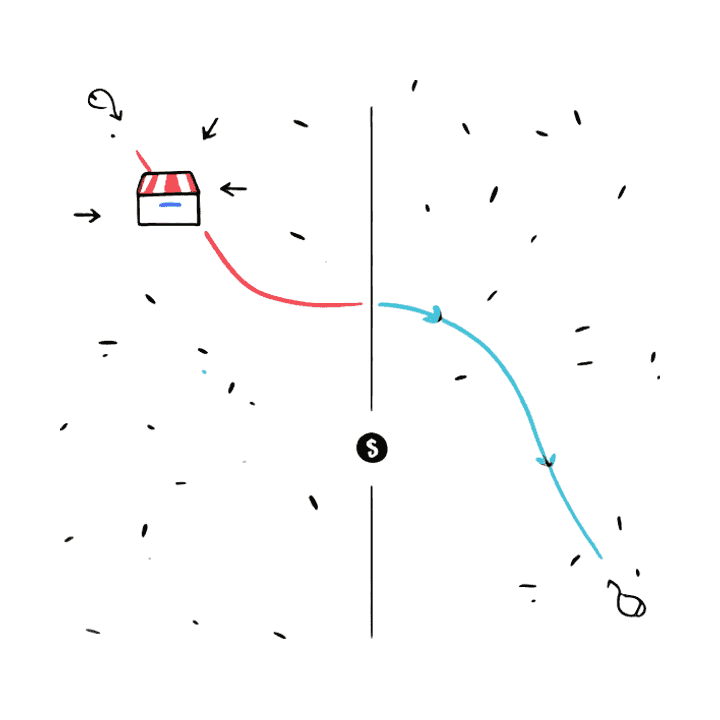
In August 2026 I scanned the search "appliance repair" from 25 points on a 12 mile square around one Baltimore shop, three miles between points, and wrote down where the shop's profile ranked at each. Here is one row of that scan, running west from the point nearest the shop.
The profile ranks 4th at the point nearest the shop, 12th three miles out and 20th six miles out. Past that it doesn't appear at all. No edit to the profile moves the shop closer to a customer nine miles west. Across the whole grid it showed at 9 of the 25 points and in the top three at none.
Reviews didn't settle it either. The competitor that showed up at the most points had 226 reviews, and one with 1,401 showed up at fewer than half as many. I'm not saying reviews don't count. Google lists them under prominence, and I'd still ask for every one. One scan of one trade is a sample and not a rule. But it's why I don't believe anyone who promises a top position on Google Maps everywhere. The whole 25-point scan, with the competitor numbers, is on my appliance repair page.
Ranking well on Google Maps means working the two factors you can move, relevance first because it's quick and prominence second because it's slow. Here is the order I'd take them in.
Google says verifying tells it you're authorized to represent the business, so the profile is more likely to show up. Nothing else on this list matters until it's done.
Ensure that your business name, address, phone number, hours, business description and website URL are all in, and Google says complete, accurate profiles are more likely to appear in local results. Then check that your name, address and phone number read the same on your website, your social media profiles and your local directories. People call that NAP, and consistent NAP across the web means the listings agree with each other. The Google My Business listing, as the profile used to be called, is covered section by section, and a pass/fail list you can run in a browser checks the rest.
The category says what kind of business you are. Pick the one that names the work you want more calls for, and add others only where they're true.
Ask your satisfied customers to leave a review, the same way every time, and respond to reviews as they arrive. Google says replies show you value the feedback. The ask, step by step covers the link, the timing and what Google's policy allows.
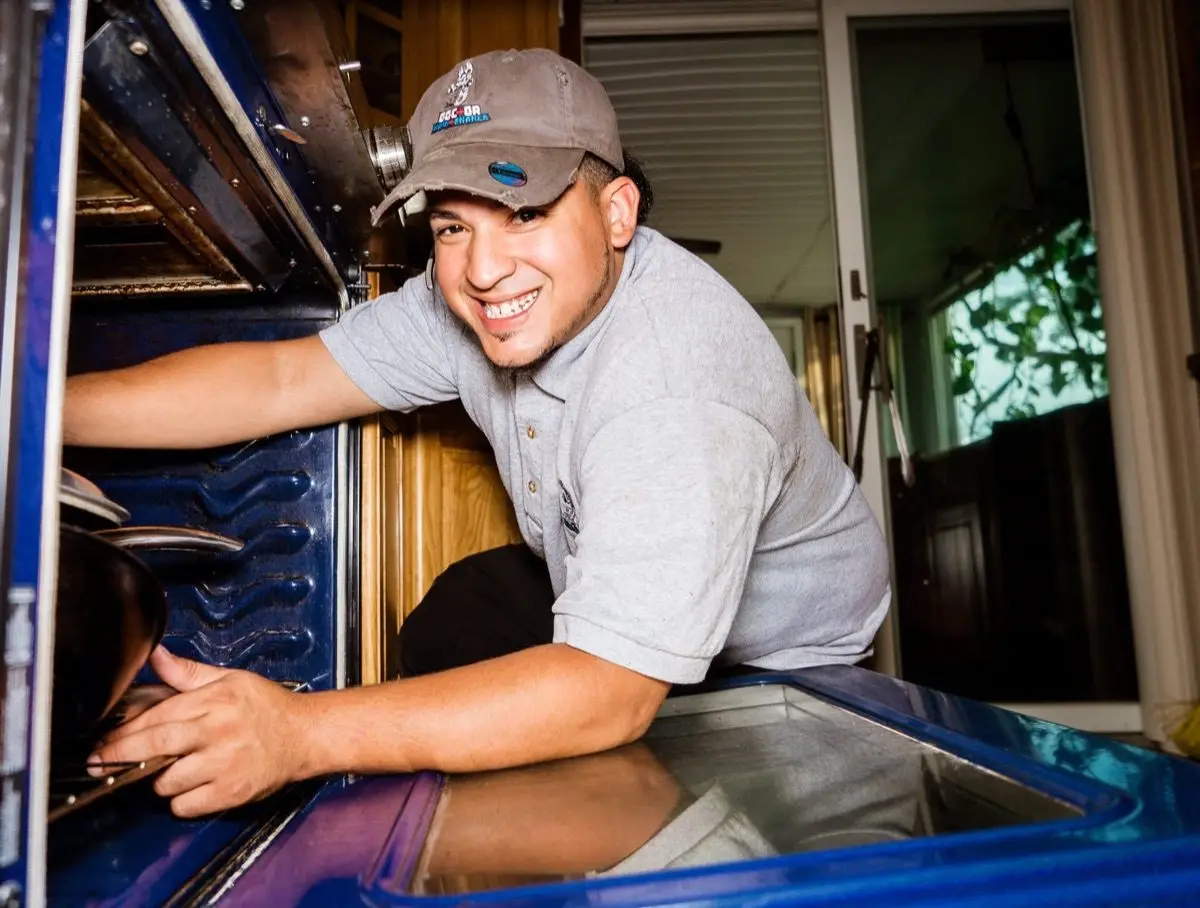

Google says photos and videos show customers what you offer and tell the story of your business. Potential customers see the place in them before they ever visit, so use yours and not stock.
Prominence includes how many websites link to your business, so start with the people who already know you. A chamber of commerce, a supplier's dealer page, other local businesses you work alongside. Local citations and backlinks usually start there.
That's the list. I can't tell you how long it takes to land in the top three where you are, and I won't guess. What I can show you is how long my own pages took to move in Search Console, in how long SEO takes, including three that got worse. And the website behind the profile gets its own order in local SEO for a small business, from the first afternoon on. A trade that lives on photos and bookings has its own order, which I wrote up for a nail salon's profile, service pages and booking link.
Not from your own counter. That's the closest spot there is, so it flatters you. Search what a customer would type, your main service plus your town, on your phone from a place a few miles away. Note whether you're among the three businesses on the map. Then do it again from the other side of town. The two results differ because of distance, doing exactly what Google says it does.
Your profile also has a performance report that shows how people found you. I'm leaving its button names out, since Google moves them. If the listing doesn't come up at all, even for your own name, that's a different problem, and why a business isn't showing on Google takes it apart.

Steps one through five are yours to do, and I'd start this week. If you'd rather hand them over, managing your Google Business Profile comes with every monthly plan, replies to your Google reviews included, and plans start at $800 a month.
Every plan opens with an SEO audit and a full website audit, so I know what ranks, what's broken and where you trail your competitors. I can't promise you a position, and neither can anyone else, since Google says it can't be bought. Let's have a conversation about your business and the search you want to win.
Give me your business name, your town and the search you wish you showed up for, and say what you've already tried. I can reply within a few hours.
Last 90 days, across the sites and Search Console/GA4 accounts Another Monday manages. Figures as of November 2026.
You rank higher on Google Maps by verifying and completing your Business Profile, earning reviews and replying to them, and getting other websites to link to you. Those moves work on relevance and prominence, two of the three factors Google names. The third, distance, is how far you are from the person searching, and you can't change it.
Nobody can say exactly how long it takes to rank on Google Maps, and Google's page on local ranking gives no timeline. Fixing a profile can take an afternoon. Reviews and links build over months, because they come from customers and other sites and not from you.
You can't pay for a better local ranking on Google Maps. Google's help page says there's no way to request or pay for one. Google Ads is a separate product with its own placements, so it doesn't change where your profile ranks.
You rank well near your shop and poorly across town because distance is one of Google's three local ranking factors. Google measures how far each business is from the person searching, and your own counter is the closest spot there is. A search from a few miles out shows you what a customer there sees.
You register your location in Google Maps by creating a Google Business Profile and verifying it. Add your full address if customers visit you, or the towns you cover if you drive to them. Verifying tells Google you're authorized to represent the business.
Reviews are one input to your ranking on Google Maps and they don't decide it alone. Google lists review count and ratings under prominence, and distance and relevance count too. In my August 2026 scan of one trade, the business that appeared at the most points had 226 reviews, and one with 1,401 appeared at fewer than half as many.
Ranking on Google Maps is one part of local SEO. Local SEO also covers the ordinary website results under the map, so a business needs a profile and a site that agree with each other.
More operator playbooks from The Marketing Department.
Not on Maps, there only for your exact name, in the wrong spot, suspended or stuck on Pending: what each one means and the check for it, from Google's own help pages.
What a nail salon's Google profile, service pages and booking link each need, five things to skip, and the order I'd fix them in.
Plans run from $800 to $3,500 a month. Every step of the price, what it pays for, and how many jobs a plan has to earn back.
A free 30-minute strategy session with the person who'd be doing the work. Bring your business name, the town you serve and the search you want to win.
¡También Hablamos Español!